Immunize.org supports evidence-based vaccination recommendations and schedules. Read more at About Us.

Ask the Experts: All Questions

Ask the Experts is one of our most popular destinations for healthcare professionals. Our experts provide clear, easy-to-understand answers to commonly asked questions about vaccines and their use.

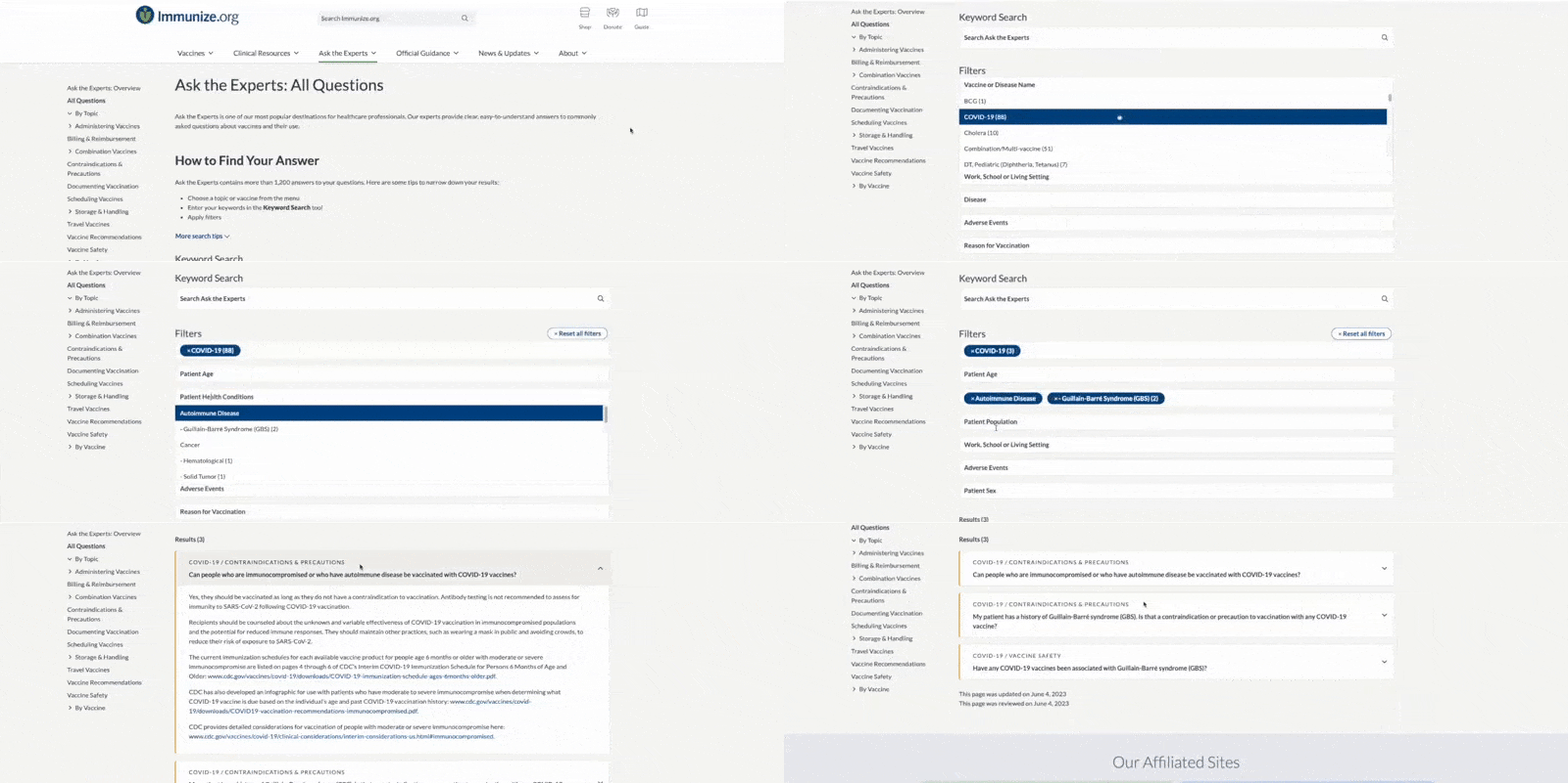
How to Find Your Answer

  • Some filter options may become disabled as you narrow your selections.
  • Filters are easily added and removed. Click or tap on the X to remove individual filters or choose “Reset All Filters” to remove all filters.
Results (1403)

Both killed and live attenuated measles vaccines became available in 1963. Live attenuated vaccine was used more often than killed vaccine: the killed vaccine was given to fewer than 1 million people. The killed vaccine was found to be not effective and people who received it should be revaccinated with live vaccine. The killed vaccine was removed from the market in 1967. Without a written record, it is not possible to know what type of vaccine an individual may have received. So, people born during or after 1957 who received killed measles vaccine or measles vaccine of unknown type, or who cannot document having been vaccinated or having laboratory-confirmed measles disease should receive at least 1 dose of MMR. Those in a high-risk category, as defined elsewhere, are recommended to receive a total of two doses of live measles-containing vaccine, separated by at least 4 weeks.

Last reviewed: August 10, 2026

Pneumococcal conjugate vaccine (PCV), Haemophilus influenzae type b (Hib) vaccine, MenACWY, and meningococcal B vaccine should be given at least 14 days before a scheduled splenectomy, if possible. This is done so the patient is protected from these diseases before the spleen is removed; however, doses given during the 14 days before surgery also can be counted as valid. If the doses cannot be given prior to the splenectomy, they should be given as soon as the patient’s condition has stabilized after surgery. If PCV20 or PCV21 is given, pneumococcal polysaccharide vaccine (PPSV23) is not needed; if PCV15 is given, administer a dose of PPSV23 at least 8 weeks after the dose of PCV15 if the patient is age 2 years or older.

Last reviewed: January 18, 2026

Since the patient is asplenic, the second dose of the primary series of MenACWY should be given at least 8 weeks after the first dose. He will need a dose of MenACWY every 5 years for the rest of his life. The 3-dose series of MenB (whether Trumenba [Pfizer] or Bexsero [GSK]) should be completed. The first booster dose of MenB will be due one year after completion of the primary series and subsequent booster doses are recommended every 2–3 years for the rest of his life. The same MenB vaccine manufacturer should be used for all doses in the series, including booster doses.

People who receive MenB vaccine have an option to receive the corresponding pentavalent MenABCWY when both MenACWY and MenB vaccines are due at the same visit, as long as the appropriate brand and dose interval is used. Pentavalent Penbraya (Pfizer) can be given to patients with a history of receiving Trumenba; pentavalent Penmenvy (GSK) is for patients who previously received Bexsero.

Since the patient has already received one dose of PCV20, in accordance with pneumococcal vaccination recommendations for immunocompromised adults younger than age 50, no further doses are needed. Based on the patient’s age, only one dose of Hib vaccine is recommended, so no further doses are needed. The patient should receive influenza vaccine annually.

Last reviewed: January 18, 2026

Check and record storage unit minimum and maximum temperatures for the time since last measurement at the start of each workday. This is a requirement for VFC providers. The minimum and maximum temperatures recorded should be those obtained since the last workday when the minimum and maximum temperatures were reset. If your device does not display minimum and maximum temperatures, then check and record the current temperature a minimum of 2 times (at the start and the end of the workday). This should be done even if there is a temperature alarm at some point during the day.

Last reviewed: April 10, 2026

Regardless of risk, all children should receive routine vaccination with either PCV15 or PCV20 as age-appropriate. A child age 2 through 18 years with any of the conditions listed below may require additional pneumococcal vaccination depending on their age and prior vaccination status.

The conditions that increase the risk of pneumococcal disease and are indications for additional pneumococcal vaccine doses beyond the routine schedule are broken down into two categories: non-immunocompromising (non-IC) and immunocompromising (IC). Recommendations differ slightly under certain circumstances by IC or non-IC category.

Non-IC conditions include:

  • Cerebrospinal fluid (CSF) leak
  • Chronic heart disease (especially cyanotic congenital heart disease and heart failure)
  • Chronic kidney disease (except as specified in the IC list below)
  • Chronic liver disease
  • Chronic lung disease (including moderate persistent or severe persistent asthma)
  • Diabetes mellitus
  • Cochlear implant

Immunocompromising (IC) conditions include:

  • Kidney disease and on maintenance dialysis
  • Kidney disease with nephrotic syndrome
  • Asplenia or splenic dysfunction
  • Congenital or acquired immunodeficiency, including B-(humoral) or T-lymphocyte deficiency; complement deficiencies, particularly C1, C2, C3, and C4 deficiency; and phagocytic disorders (excluding chronic granulomatous disease)
  • Treatment with immunosuppressive drugs or radiation therapy (including treatment for Hodgkin disease, leukemias, lymphomas, malignant neoplasm, and solid organ transplant)
  • HIV infection
  • Sickle cell disease or other hemoglobinopathies

For timing of vaccination following hematopoietic stem cell transplant, see see www.cdc.gov/vaccines/hcp/imz-best-practices/altered-immunocompetence.html

CDC guidance is available at www.cdc.gov/vaccines/vpd/pneumo/hcp/who-when-to-vaccinate.html.

Immunize.org details all recommendations and options for children with high-risk conditions in its standing order template for pneumococcal vaccination of children and teens (www.immunize.org/wp-content/uploads/catg.d/p3086.pdf) and its shorter resource, Recommendations for Pneumococcal Vaccines use in Children and Teens (www.immunize.org/wp-content/uploads/catg.d/p2016.pdf).

Last reviewed: November 13, 2024

Yes. In 2009 ACIP updated its recommendations for use of IPV, partly in response to the availability of newer combination vaccines (e.g., Pentacel) that include an IPV component. The change did not apply to children who had already completed an acceptable 4-dose series of IPV before the updated schedule was published in August 2009. Since August 2009, ACIP has recommended that children receive at least 1 dose of IPV at age 4 through 6 years, even if they have previously received 4 doses. The interval between the next-to-last and last dose should be at least 6 months. This updated recommendation applies to all IPV-containing vaccines, including combination vaccines as well as IPV given as a single product. This means that some children may receive a total of 5 doses, a practice ACIP considers acceptable. This is similar to the recommendation for the last dose in the DTaP series. To view the current polio vaccine recommendations, go to the ACIP recommendations website at www.cdc.gov/vaccines/hcp/acip-recs/vacc-specific/polio.html.

Last reviewed: January 27, 2025

Three hepatitis B (HepB) vaccines are currently licensed and available in the United States. All of them contain recombinant hepatitis B surface antigen (HBsAg) produced in yeast cells. From 2021 until late 2024, PreHevbrio (VBI Vaccines), an additional 3-dose HepB vaccine option for adults, was available. PreHevbrio is a 3-antigen recombinant hepatitis B vaccine derived from mammalian (Chinese hamster ovary) cells; its use was discontinued for business reasons following VBI’s 2024 bankruptcy filing.

HepB vaccines are available as HepB-only formulations; two of them are also available in combination with other vaccines. Heplisav-B (Dynavax) is approved only for people 18 years of age and older. Engerix-B (GSK) and Recombivax HB (Merck) are approved for vaccination starting at birth and are available in both pediatric and adult formulations. For the 3-dose series of Engerix-B or Recombivax HB, people 0 through 19 years of age receive a 0.5 mL dose regardless of their height or weight; people 20 years of age and older receive a 1.0 mL dose.

Three combination vaccines that contain HepB are available in the United States. Pediarix (GSK) is approved for children 6 weeks through 6 years of age and contains HepB, DTaP, and inactivated poliovirus (IPV). Twinrix (GSK) is approved for adults 18 years of age and older and contains HepB and inactivated hepatitis A virus (HepA). Vaxelis (MCM Company) is approved for use in children 6 weeks through 4 years of age and contains HepB, DTaP, Hib, and IPV.

Last reviewed: January 17, 2025

Administration of Dengvaxia to a person who has never been infected with DENV may result in an increased risk of hospitalization and severe dengue illness if they are infected with natural (wild type) DENV for the first time after vaccination. Multiple complex mechanisms likely contribute to increased disease severity during a second DENV infection. The published ACIP recommendation provides a detailed description of these mechanisms at www.cdc.gov/mmwr/volumes/70/rr/pdfs/rr7006a1-H.pdf. In addition, CDC has developed simple illustrations and descriptions to explain this phenomenon at https://www.cdc.gov/dengue/hcp/vaccine/eligibility.html.

In a person who has never been infected with DENV, vaccination with Dengvaxia may “stand in” (immunologically) for the first natural infection, resulting in an increased risk of severe dengue in response to the first natural infection because the immune system responds as if that infection were the “second” infection.

Last reviewed: January 17, 2025

An interim VIS can sometimes be released soon after licensure of the vaccine or after the official vote by ACIP is taken. The interim VIS is not replaced with a final version until the ACIP recommendations have been published and the new VIS has been developed according to legally mandated procedures.

Last reviewed: February 16, 2025

According to CDC’s “General Best Practices for Immunization”, concerns about spacing between doses of live vaccines not given at the same visit applies only to live injectable or intranasal vaccines. Therefore, live oral cholera vaccine may be administered simultaneously or at any interval before or after administration of most other vaccines.

One exception is when Ty21a oral typhoid vaccine (Vivotif, Bavarian Nordic) and oral cholera vaccine are both indicated. ACIP recommends that oral cholera vaccine should be administered before Ty21a vaccine, and at least 8 hours should separate the cholera vaccine and the first dose of Ty21a to avoid the potential for interference between the oral cholera vaccine buffer solution and the enteric-coated Ty21a vaccine dose.

Last reviewed: February 27, 2025

A history of tetanus disease is not a reason to avoid tetanus-containing vaccines. Tetanus disease does not produce immunity because of the very small amount of toxin required to produce illness. As long as your patient has no other contraindications, she should receive Tdap now. If she has no documentation of prior tetanus vaccination, she should receive a complete 3-dose primary series (dose #1 of Tdap, followed by dose #2 of Td or Tdap 4–8 weeks later, and dose #3 of Td or Tdap 6–12 months after dose #2).

Last reviewed: March 31, 2022

It is estimated that for every million doses administered, about one (~0.0001%) will result in an anaphylactic reaction following vaccination. The estimate for mRNA COVID-19 vaccines is slightly higher, at 2 to 5 anaphylactic reactions per million vaccinations given. With proper screening, most providers who administer thousands of vaccines in their lifetimes will never see an anaphylactic reaction.

Last reviewed: November 16, 2025

Peak influenza activity generally occurs in the Northern Hemisphere during December through March, most frequently in January or February. Providers should continue vaccinating patients through spring, as long as there is continued circulation of influenza viruses and they have unexpired vaccine in stock and unvaccinated patients in their office.

Because influenza occurs in many areas of the world during April through September, vaccine should be given to travelers who missed vaccination in the preceding fall and winter. Another late season use of vaccine is for children younger than age 9 years who needed 2 doses of vaccine but failed to get their second dose. For each of these situations, vaccine can be given through the month of June since most injectable influenza vaccine has a June 30 expiration date.

Last reviewed: September 3, 2025

No. Only a single dose of RSV vaccine is currently approved and recommended. There is no evidence at this time to determine if or when revaccination would be of value. Available evidence from clinical trials indicates that RSV vaccination provides meaningful protection against severe RSV disease for at least 2 RSV seasons.

People who were vaccinated for RSV during a previous pregnancy and are pregnant again should not receive RSV vaccination for prevention of RSV in their infant. Instead, the infant should be immunized with an RSV preventive antibody after birth.

As more data becomes available, FDA and the ACIP will evaluate the benefit and timing of RSV revaccination and issue updated recommendations as needed.

Last reviewed: August 24, 2025

When elective splenectomy is planned, vaccination with pneumococcal, meningococcal, and Hib vaccines should precede surgery by at least 2 weeks, if possible. If vaccines are not administered before surgery, they should be administered as soon as the person’s condition stabilizes after surgery.

Last reviewed: January 21, 2025

In a situation where the person’s vaccination status is not aligned with current recommendations at the time of exposure, the person should receive the same postexposure prophylaxis (PEP) regimen as an unvaccinated person. This includes human rabies immune globulin (HRIG) and 4 doses of vaccine (days 0, 3, 7 and 14).

For details on this and other scenarios related to sustaining long term immunogenicity in recipients of the 2-dose rabies primary series, please refer to the figure on page 624 of the May 6, 2022, MMWR at www.cdc.gov/mmwr/volumes/71/wr/pdfs/mm7118a2-H.pdf.

Last reviewed: May 14, 2023

Immunize.org has prepared a document that provides a summary of the ACIP recommendations for use of MenB. The document is available at www.immunize.org/catg.d/p2035.pdf.

Last reviewed: November 15, 2024

Because of the limited number of serogroups covered by PCV7 (which was used in the United States between 2000 and 2010), CDC recommends that doses of PCV7 should be ignored for the purposes of calculating the current pneumococcal vaccination needs of an older teen or adult patient at increased risk for pneumococcal disease. For example, a person at high risk of pneumococcal disease who received a complete series of PCV7 vaccination in early childhood should follow the vaccination recommendations for someone with their condition who has not received any doses of pneumococcal conjugate vaccine.

Last reviewed: November 13, 2024


1:17

View All Video Questions

Last reviewed: September 3, 2025


1:25

View All Video Questions

Last reviewed: August 24, 2025


1:26

View All Video Questions

Last reviewed: December 6, 2024

Both PCV15 and PCV20 are recommended as pneumococcal vaccination options for children age 6 weeks and older as well as for older children age 6 through 18 years with certain medical conditions or other risk factors for pneumococcal disease. ACIP no longer recommends PCV13 for children or adults; however, PCV13 may be given as previously recommended if it is the only PCV available and the recipient would otherwise go without vaccination. Pneumococcal polysaccharide vaccine (PPSV23) is recommended as an option for some children age 2 years and older who have certain underlying medical conditions and who have not had (or do not have the option of receiving) PCV20.

Details of the recommendations can be found in the ACIP recommendations at www.cdc.gov/mmwr/volumes/72/wr/pdfs/mm7239a5-H.pdf (for PCV20) and www.cdc.gov/mmwr/volumes/71/wr/pdfs/mm7137a3-H.pdf (for PCV15). These recommendations are to be used in conjunction with CDC clinical considerations for the use of pneumococcal vaccines at: www.cdc.gov/pneumococcal/hcp/vaccine-recommendations/index.html.

A summary of these recommendations can also be found at www.immunize.org/wp-content/uploads/catg.d/p2016.pdf. Immunize.org has developed standing orders for pneumococcal vaccination of children and teens at www.immunize.org/wp-content/uploads/catg.d/p3086.pdf.

Last reviewed: November 13, 2024

PPSV23 has only limited indications in children age 2 through 18 years who have not had PCV20 and are at high risk for serious pneumococcal infection due to the presence of a specific non-immunocompromising (non-IC) or immunocompromising (IC) medical condition.

If PCV20 is not offered, PPSV23 is recommended as an option to be administered to a child age 2 years or older at least 8 weeks following completion of PCV vaccination with PCV13 or PCV15. If a child has an immunocompromising condition and PPSV23 is used, a dose of PCV20, or a second dose of PPSV23, should be given 5 years later.

Immunize.org details all recommendations and pneumococcal vaccine options for children with high-risk conditions in its standing order template for pneumococcal vaccination of children and teens (www.immunize.org/wp-content/uploads/catg.d/p3086.pdf) and its shorter resource, Recommendations for Pneumococcal Vaccines Use in Children and Teens (www.immunize.org/wp-content/uploads/catg.d/p2016.pdf).

Last reviewed: November 13, 2024

Yes. The National Childhood Vaccine Injury Act requires that a VIS be given to people of any age before they receive a dose of any vaccine included in the Act. Tetanus and diphtheria toxoids (and pertussis vaccine) are included in the Act. If the patient is unaccompanied and unable to clearly read and understand the information in the VIS (e.g., the patient is unconscious), this should be noted in the patient’s chart.

Last reviewed: June 1, 2025

No. A history of receipt of one dose of live zoster vaccine is not proof of varicella immunity. According to CDC, acceptable evidence of varicella immunity in healthcare personnel includes (1) documentation of 2 doses of varicella vaccine given at least 28 days apart, (2) history of varicella or herpes zoster based on clinician diagnosis, (3) laboratory evidence of immunity, or (4) laboratory confirmation of disease. If a healthcare employee received a dose of live zoster vaccine in the past but has no other evidence of immunity to varicella, the live zoster dose can be considered the first dose of the 2-dose varicella series. Note that recombinant zoster vaccine (RZV, Shingrix), the only zoster vaccine currently available in the United States, cannot be counted as the first dose in a 2-dose varicella vaccination series because Shingrix is not licensed and has not been evaluated for the prevention of primary varicella infection (chickenpox).

Last reviewed: August 12, 2026

Shingrix may be administered to people who have previously received 2 doses of varicella vaccine. Compared to people who have had chickenpox, the risk of zoster among recipients of varicella vaccine (which contains a live-attenuated strain of varicella virus) is much lower, but it is still possible for them to develop zoster.

Last reviewed: August 12, 2026

Vaccination with the full series of hepatitis A vaccine (HepA) is the best way to prevent HAV infection. Immune globulin (IG) also can be used for short-term protection in certain situations.

Last reviewed: June 25, 2023

Not necessarily. People who have documentation of receiving live measles vaccine in the 1960s do not need to be revaccinated. People who were vaccinated prior to 1968 with either inactivated (killed) measles vaccine or measles vaccine of unknown type should be revaccinated with at least one dose of live attenuated measles vaccine. This recommendation is intended to protect the fewer than 1 million people who may have received killed measles vaccine which was available in the United States in 1963 through 1967 and was not effective. People vaccinated before 1979 with either killed mumps vaccine or mumps vaccine of unknown type who are at high risk for mumps infection (such as people who work in a healthcare facility) should be considered for revaccination with 2 doses of MMR vaccine.

Last reviewed: August 10, 2026

Preterm infants should be vaccinated at the same chronological age and according to the same schedule as full-term infants, regardless of birth weight, with the exception of the birth dose of hepatitis B vaccine. Infants weighing less than 2 kg (4.4 lb) whose mothers’ HBsAg status is either positive or unknown should receive HBIG (hepatitis B immune globulin) and hepatitis B vaccine within 12 hours of birth. This dose of hepatitis B vaccine should not be counted as a valid first dose in the series, and it should be repeated at age 1 month. If the preterm infant’s mother’s HBsAg status is negative, the infant’s first dose of hepatitis B vaccine should be withheld until the infant is chronologically 1 month of age or is ready to be discharged from the hospital, whichever occurs first.

CDC now classifies HepB as a shared clinical decision-making vaccine for infants born to test-negative mothers; however, the American Academy of Pediatrics continues to recommend routine infant immunization to protect newborns as soon as feasible from unrecognized exposures and lifelong chronic hepatitis B virus infection. For more information on timing, see the Vaccination of Preterm Infants subsection of the Special Situations section of CDC’s “General Best Practices for Immunization”, available at www.cdc.gov/vaccines/hcp/imz-best-practices/special-situations.html#cdc_report_pub_study_section_4-vaccination-of-preterm-infants.

Last reviewed: January 18, 2026

If the vaccine cold chain is broken, the ambient room temperature is useful information in helping determine how to handle the compromised vaccine. Do not remove the calibrated thermometer from the refrigerator or freezer to measure the room temperature. A standard household thermometer in the room is fine for this purpose.

Last reviewed: April 10, 2026

CDC has established strict accuracy criteria for the laboratory tests considered acceptable proof of past DENV infection before vaccination of a child.

No test is perfectly accurate: wrong results lead to different types of risk. A false negative test result means a child who is at increased risk of severe dengue would not be protected by vaccination. A false positive test means a child who was not at high risk of severe dengue would be vaccinated, potentially increasing the child’s risk of severe dengue if the child experiences a subsequent DENV infection.

All dengue IgG tests for pre-vaccination screening must have a minimum specificity of at least 98% to minimize the chance of misclassifying a person who should have a true negative test result as positive. This high specificity minimizes the risk of vaccinating a person who should not be vaccinated.

Pre-vaccination screening tests must also have a sensitivity of at least 75% to accurately identify a high proportion of children and adolescents with past dengue virus infections who can benefit from vaccination.

Acceptable laboratory confirmation of previous dengue virus infection can be obtained by:

  • Evidence of prior acute dengue virus infection with
    • Positive dengue RT-PCR test result, or
    • Positive dengue NS1 antigen test result
  • OR, positive results on BOTH of the following anti-dengue virus IgG antibody tests in a two-step testing algorithm:
    • EUROIMMUN Anti-Dengue Virus NS1 Type 1-4 ELISA (IgG) and
    • CTK BIOTECH OnSite Dengue IgG Rapid Test

Visit www.cdc.gov/dengue/vaccine/hcp/testing.html. for additional information about laboratory testing requirements for vaccination with Dengvaxia. As additional tests are evaluated and approved as acceptable, information will be updated by CDC.

Vaccinators are encouraged to use the CDC prevaccination checklist to evaluate patient eligibility: www.cdc.gov/dengue/resources/DVBD_FS_Vaccination_Checklist-508.pdf.

Last reviewed: January 17, 2025

No. The ACIP meningococcal serogroup B vaccine recommendations state that the same vaccine type (either MenB-4C, Bexsero [GSK] or MenB-FHbp, Trumenba [Pfizer]) must be used for all doses in the MenB series, including booster doses. If the brand of a previous dose is unavailable or cannot be determined, restart the primary series with the available brand. The pentavalent MenABCWY product Penbraya (Pfizer) contains MenB-FHbp (the same as Trumenba) as its MenB component; therefore, Penbraya should only be used in series with Trumenba.

Last reviewed: November 15, 2024

Coverage levels for HPV vaccine are improving but are still inadequate. Results from CDC’s 2022 National Immunization Survey-Teen (NIS-Teen) indicate that for the first time since 2013, HPV vaccination initiation did not increase among adolescents age 13 through 17 years. HPV vaccination initiation actually fell among adolescents insured by Medicaid and remained lowest among the uninsured. The Vaccines for Children (VFC) program ensures access to HPV and other routine vaccines for adolescents who are uninsured or Medicaid-eligible at no cost. It is important that families are aware of this entitlement and the importance of HPV vaccination.

In 2022, 76% of adolescents had received at least 1 dose of HPV vaccine and 62.6% were up to date with HPV vaccination. A summary of the 2022 NIS-Teen survey and trends are available at www.cdc.gov/mmwr/volumes/72/wr/mm7234a3.htm.

Providers can improve uptake of this life-saving vaccine in several ways. First, studies show that missed opportunities are occurring. Some clinics address this by routinely starting the 2-dose vaccination series as early as possible, at age 9, giving them more chances to complete the series on time before age 13. A different strategy to improve uptake is by ‘bundling’ the recommendations for all adolescent vaccines at the first preteen visit. CDC recommends the following discussion starter: “Now that your child is 11, they need three vaccines to help protect against meningitis, HPV cancers, and whooping cough. We’ll give these shots during today’s visit. Do you have any questions about these vaccines?”

One of the main reasons parents give researchers for not vaccinating their adolescents is that the HPV vaccine was not recommended to them by their child’s healthcare provider. CDC urges healthcare providers to strongly and consistently recommend HPV vaccine, especially when patients are age 11 or 12 years. CDC’s “Talking to Parents about HPV Vaccine,” available at www.cdc.gov/hpv/media/pdfs/2024/07/talking_to_parents_HPV.pdf can help providers with these conversations.

For more detailed information about HPV vaccination strategies for providers, visit www.cdc.gov/hpv/hcp/boosting-vacc-rates.html and www.cdc.gov/vaccines/php/rise/.

Last reviewed: July 26, 2024

Yes. Doses of any meningococcal ACWY vaccine given before 10 years of age should not be counted as part of the adolescent MenACWY series. If a child received a dose of MenACWY before age 10 years, they should receive a dose of MenACWY at 11 or 12 years and a booster dose at age 16.

Last reviewed: November 15, 2024

You are interpreting the recommendations correctly, and age is an important factor in this issue. The recommendation for Hib vaccination for asplenia applies to people of all ages. Only children ages 12 through 59 months are subject to the recommendation for Hib vaccination for immunoglobulin deficiency or early component complement deficiency or use of a complement inhibitor (such as eculizumab [Soliris], or a related product).

Last reviewed: January 21, 2025

Although the gluteus muscle is not a recommended site for vaccination, in general, a dose given there can be considered valid. The exceptions to this general rule are hepatitis B and rabies vaccines. Hepatitis B vaccine is not considered valid if administered by any route other than intramuscular, or, if given to an adult, if given in any site except the deltoid or anterolateral thigh. So, the hepatitis A vaccine may be counted as valid, but the hepatitis B vaccine should not be counted in this situation. The hepatitis B vaccine can be repeated immediately. See the vaccine administration section of CDC’s “General Best Practices for Immunization” for details, available at www.cdc.gov/vaccines/hcp/imz-best-practices/vaccine-administration.html.

Last reviewed: February 27, 2025

The rotavirus vaccine dose given by the intramuscular route is not valid and should be repeated by the oral route as soon as possible. In a review of this type of rotavirus vaccine administration error, there usually were not adverse reactions, and those documented were limited to local reactions and general, brief irritability. Please see www.cdc.gov/mmwr/pdf/wk/mm6304.pdf, page 81, for more information.

Please take steps to ensure that such vaccine administration errors are avoided in the future. This event should be reported to the Vaccine Adverse Event Reporting System at https://vaers.hhs.gov even if an adverse reaction does not result from it.

Last reviewed: February 27, 2025

No. Tdap should be administered as soon as possible.

Last reviewed: March 31, 2022

Pentacel (DTaP-IPV/Hib) inadvertently administered to children six years of age and older is considered a vaccine administration error. However, none of the vaccine components need to be repeated.

Last reviewed: January 27, 2025

The antibiotics, of which there are trace amounts in some influenza vaccines, are neomycin, gentamicin, and polymyxin B. You should check each product’s package insert information to see which, if any, antibiotics are listed.  Links to all current vaccine package inserts for vaccines are available at www.immunize.org/fda/.

Last reviewed: September 3, 2025

Yes, influenza vaccines may be coadministered with other recommended vaccines.

The live attenuated nasal spray influenza vaccine (FluMist, LAIV) may be given on the same day as any other live or inactivated vaccines. However, if two live vaccines are not given on the same day, they should be separated by at least 4 weeks.

There are now several vaccines containing nonaluminum adjuvants recommended for adults (including Nuvaxovid [COVID-19], Shingrix [zoster], Heplisav-B [HepB], Arexvy [RSV] and Fluad [aIIV, influenza]). Because of the limited data on the safety or reactogenicity of simultaneous administration of two or more vaccines containing nonaluminum adjuvants and the availability of nonadjuvanted influenza vaccine options, ACIP advises considering a nonadjuvanted influenza vaccine in situations in which influenza vaccine and another vaccine containing a nonaluminum adjuvant are due at the same visit. However, influenza vaccination should not be delayed if a specific brand of vaccine is not available.

Last reviewed: November 16, 2025

The original COVID-19 vaccines all targeted the spike protein of the original SARS-CoV-2 virus. The 2025–2026 formulation vaccines target the spike proteins of more recently circulating strains, known as the Omicron JN.1 lineage LP.8.1 strain (mRNA vaccines) or the JN.1 strain (Nuvaxovid adjuvanted protein subunit vaccine). The update is intended to boost production of antibodies that protect more effectively against disease caused by currently circulating Omicron subvariants.

The process of updating the strain without changing anything else is similar to the seasonal strain changes made for influenza vaccinations each year. Vaccine safety, side effects, and risk of allergic reactions are expected to be comparable to earlier formulations of vaccines of the same brand and dose. As with seasonal influenza vaccines, future COVID-19 vaccines can continue to be updated when needed, as the circulating viruses evolve.

Last reviewed: November 16, 2025

No. It is the volume of the dose, not the antigen content, that is important. People 20 years and older should always receive a 1.0 mL dose of either Engerix-B or Recombivax HB when using those products. Likewise, people younger than 20 years should always receive a 0.5 mL dose of the pediatric formulation of either Engerix-B or Recombivax HB.

Last reviewed: January 17, 2025


2:51

View All Video Questions

Last reviewed: November 16, 2025

Yes, coadministration of influenza and RSV vaccines at the same visit is acceptable. CDC has provided the details of available information in its guidance on RSV vaccination of older adults: www.cdc.gov/vaccines/vpd/rsv/hcp/older-adults.html#administration-other-vaxs.

CDC advises that when deciding whether or not to coadminister other vaccines with an RSV vaccine, consider whether the patient is up to date with currently recommended vaccines, the feasibility of the patient returning for additional vaccine doses, their risk for acquiring vaccine-preventable disease, vaccine reactogenicity profiles, and patient preferences.

Last reviewed: September 3, 2025

No. IgM tests for acute DENV infection are not sufficiently accurate to be acceptable evidence for the purposes of vaccination. These tests may be falsely positive as a result of other flavivirus infections that may cause similar symptoms (such as Zika).

Acceptable evidence of acute infection with DENV is either a positive dengue RT-PCR test result, or a positive dengue NS1 antigen test result.

Visit CDC’s website on laboratory testing requirements for vaccination with Dengvaxia for additional information: www.cdc.gov/dengue/vaccine/hcp/testing.html.

Last reviewed: January 17, 2025

All immunocompetent people age 50 years or older-whether they have a history of chickenpox or shingles or not-should be given Shingrix unless they have a medical contraindication to vaccination. Among this population it is not necessary to ask about a history of chickenpox or to test for varicella antibody prior to or after giving the vaccine.

Among immunocompromised people age 19 years or older, evidence of a history of varicella illness or varicella vaccination (confirming the need for Shingrix zoster vaccine as a result of a history of exposure to a live varicella virus, whether the wild or live-attenuated vaccine strain) IS recommended. Shingrix may be administered to an immunocompromised person who has had chickenpox or shingles or has previously been vaccinated with varicella vaccine or zoster vaccine live.

Last reviewed: August 25, 2025

Yes. In its 2018 recommendations for the prevention of herpes zoster, ACIP states that Shingrix may be used in adults age 50 years or older irrespective of prior receipt of varicella vaccine or live zoster vaccine (Zostavax, Merck). Shingrix is also recommended for adults age 19 and older who are immunocompromised due to disease or treatment if they have evidence of a history of primary varicella infection (chickenpox) or prior varicella vaccination.

Last reviewed: August 12, 2026

If Tdap is administered earlier in pregnancy, it should not be repeated between 27 and 36 weeks’ gestation; only one dose is recommended during each pregnancy.

Last reviewed: October 31, 2023

Yes, they should receive a booster dose at age 16. A booster dose of MenACWY is recommended at age 16 years even if 2 (or more) doses of MenACWY vaccine were received before age 16 years. First-year college students living in a residence hall who have not received a dose of MenACWY on or after age 16 years, should also be vaccinated.

Last reviewed: November 15, 2024

ACIP does not recommend routine PCV vaccination of healthy children 60 months of age or older. If there is a school requirement, the simplest solution is to give the child one dose of either PCV15 or PCV20 now. However, health insurance may not pay for this dose. For more information on the ACIP recommendations for pneumococcal vaccination of children, go to CDC’s summary of pneumococcal vaccine recommendations: www.cdc.gov/vaccines/vpd/pneumo/hcp/who-when-to-vaccinate.html.

Last reviewed: November 13, 2024
Recommended dosages and schedules of hepatitis A vaccines
Vaccine Age group Dose Volume # Doses Schedule
Havrix
(GSK)
1–18 years 720 El.U.* 0.5 ml 2 0, 6–12 mos.
19 years and older 1440 El.U.* 1.0 ml 2 0, 6–12 mos.
Vaqta
(Merck & Co.)
1–18 years 25 U** 0.5 ml 2 0, 6–18 mos.
19 years and older 50 U** 1.0 ml 2 0, 6–18 mos.

*El.U. = Elisa Units **U = Units


Combination vaccine using hepatitis A and hepatitis B vaccines
Vaccine Age group Antigens used Volume # Doses Schedule
Twinrix
(GSK)
18 years and older Havrix (720 El.U.)
combined with
Engerix-B (20 mcg)
1.0 ml 3 0, 1, 6 mos.
4 0, 7, 21-30 days, 12 months**

** Accelerated schedule may be used for rapid protection prior to travel or for rapid protection of an unexposed but at-risk person who also would benefit from hepatitis B protection. Twinrix is not recommended for use as post-exposure prophylaxis.

Last reviewed: June 25, 2023

Yes. Rotavirus vaccine virus is shed during the first weeks after administration of rotavirus vaccine. Handwashing after diaper changing is always recommended.

Last reviewed: June 7, 2023

In the 2013 revision of its MMR vaccine recommendations ACIP includes laboratory confirmation of disease as evidence of immunity for measles, mumps, and rubella. ACIP removed physician diagnosis of disease as evidence of immunity for measles and mumps. Physician diagnosis of disease had not previously been accepted as evidence of immunity for rubella. With the decrease in measles and mumps cases in recent decades, the validity of physician-diagnosed disease has become less reliable, and most adults lack medical records from their childhood to document such a history. The 2013 MMR ACIP recommendations are available at www.cdc.gov/mmwr/pdf/rr/rr6204.pdf.

Last reviewed: August 10, 2026

CDC recommends that refrigerator and freezer temperature logs be kept for at least 3 years. See page 11 of the Vaccine Storage and Handling Toolkit, available at www.cdc.gov/vaccines/hcp/downloads/storage-handling-toolkit.pdf. The reasoning is that it is useful to be able to look back at the record to help determine if a unit is developing a problem.

Individual state Vaccines for Children (VFC) programs may have additional requirements for retaining temperature logs. You should contact your state program for this information. Contact information for state immunization programs is available at www.immunizationmanagers.org/about-aim/program-manager-directory/.

Last reviewed: April 10, 2026

In 2018, FDA licensed Vaxelis for use in children age 6 weeks through 4 years: it is indicated as a 3-dose series for infants at ages 2, 4, and 6 months. ACIP voted to add Vaxelis to the Vaccines for Children (VFC) Program in 2019.

The MSP Vaccine Company was created as a joint venture between Merck and Sanofi Pasteur to produce Vaxelis. Vaxelis contains the same DTaP components as Pentacel (Sanofi Pasteur). The IPV component is the same as IPOL (Sanofi Pasteur). The Hib component is the same as PedvaxHIB (Merck), but in a decreased amount. The HepB component is the same as the pediatric formulation of Recombivax HB (Merck), but in an increased amount. Vaxelis is a liquid vaccine that does not require reconstitution.

The complete recommendations for the use of Vaxelis are available at: www.cdc.gov/mmwr/volumes/69/wr/pdfs/mm6905a5-H.pdf.

Last reviewed: January 27, 2025

Heplisav-B (Dynavax) was approved by the Food and Drug Administration (FDA) in November 2017 for people 18 years of age and older. Heplisav-B contains a novel adjuvant (CpG 1018) that binds to Toll-like receptor 9 to stimulate the immune response to HBsAg. It is provided in a single dose 0.5 mL vial and given as a 2-dose series with doses separated by 1 month (4 weeks). FDA and CDC state that it may be used during pregnancy. It is not approved or recommended for use in hemodialysis patients due to a lack of data on its use in this population.

Heplisav-B was approved based on clinical trials that compared seroprotection rates (SPR, defined as anti-HBs of 10 mIU or higher, and indicative of protection against hepatitis B infection) following 2 doses of Heplisav-B to rates following 3 doses of Engerix-B (GSK). Among people 18 through 70 years of age, SPRs were 90%–95% following 2 doses of Heplisav-B and 65%–81% following 3 doses of Engerix-B. Local reactions were most commonly reported (injection site pain, redness, and swelling) and were similar in frequency to those following Engerix-B.

The package insert for Heplisav-B is available here: www.fda.gov/media/108745/download.

Last reviewed: January 17, 2025

Your solution will meet the spirit of the federal law, as long as you make sure to encourage the patient (or parent) to take home a paper copy of the VIS and to refer to it if needed (e.g., if they need to know what to do if there is an adverse event or how to contact VAERS).

Immunize.org offers another option with its document containing QR codes for all VISs, available at www.immunize.org/wp-content/uploads/catg.d/p2093.pdf. A patient may scan the QR code with their phone to download the current VIS. Provision of an electronic copy of the VIS in this manner complies with federal law.

Last reviewed: February 16, 2025

CDC does not address the use of this method for vaccination in the vaccine administration section of its “Best Practices for Immunization” (www.cdc.gov/vaccines/hcp/imz-best-practices/vaccine-administration.html). If you choose to use this method, you should still adhere to CDC’s recommendations regarding needle length and anatomical site.

Last reviewed: February 27, 2025

No. The last U.S. doses of Janssen COVID-19 Vaccine expired May 7, 2023.

Last reviewed: November 16, 2025

Pregnant patients between 32 and 36 weeks and 6 days’ gestation during the months of September through January in the United States should get one dose of the Pfizer RSVpreF vaccine (Abrysvo) to protect their babies during their first RSV season after birth. Only Abrysvo is FDA-approved and recommended for pregnant patients. Arexvy (by GSK) and mResvia (Moderna) are not approved and should not be given during pregnancy.

In most of the continental United States, maternal RSV vaccine is recommended only September through January. Those who provide health care to pregnant patients who live in areas with different patterns of RSV seasonality, such as Alaska, Hawaii, parts of Florida, or other jurisdictions outside the continental United States, should follow guidance from state or territorial public health authorities about the timing of RSV vaccination during pregnancy in their regions.

RSV vaccine is only recommended as a single dose; revaccination is not recommended. However, RSV vaccination during one pregnancy is not expected to protect infants resulting from future pregnancies. Therefore, a patient who is currently pregnant and received RSV vaccine before the current pregnancy should be counseled that their infant should be immunized with an RSV preventive antibody for protection against RSV disease after birth.

Last reviewed: August 24, 2025

Healthcare providers should vaccinate any person who failed to get vaccinated in the previous vaccination season and who wants to reduce their risk of getting influenza during their upcoming travel, particularly if they are at high risk for influenza-related complications. This includes people who are traveling to the tropics, traveling with organized tourist groups at any time of year, or traveling to the Southern Hemisphere during April–September.

Last reviewed: September 3, 2025

Explain to the parent that vaccination starting at 11 or 12 years will provide the best protection possible long before the start of any kind of sexual activity. It is standard practice to vaccinate people before they are exposed to an infection, as is the case with measles and the other recommended childhood vaccines. Similarly, we want to vaccinate children before they get exposed to HPV. Studies of HPV vaccine indicate that younger adolescents respond better to the vaccine than older adolescents and young adults. Healthy children vaccinated at this age will need only 2 doses of vaccine rather than 3 doses if vaccinated at an older age. Finally, numerous research studies have shown that getting the HPV vaccine does not make kids more likely to be sexually active or start having sex at a younger age.

Last reviewed: March 2, 2024

Yes. If different brands of Hib vaccine are given at 2 and 4 months of age then the child should receive a third primary dose of either vaccine at 6 months of age. A 2-dose primary schedule (that is, doses at age 2 and 4 months) is only appropriate when both doses are PedvaxHIB.

Last reviewed: January 21, 2025

Yellow fever vaccine is contraindicated for people who have a history of a severe (anaphylactic) allergy to eggs.

CDC and medical societies issuing vaccination recommendations do not consider egg allergy of any severity to be a contraindication or precaution to egg-based influenza vaccines. A person with egg allergy of any severity may receive any influenza vaccine that is appropriate for the person’s age and health status. When administering an egg-based influenza vaccine to a person with egg allergy of any severity, no additional safety precautions are needed, beyond those recommended when administering any vaccine to any recipient. 
 

Last reviewed: September 23, 2026

This page was updated on .