

- Immunize.org completes its 2026–27 suite of influenza vaccination clinical resources with “Influenza: Questions and Answers” handout
- Seasonal influenza activity is low nationally but increasing. Now is an ideal time to vaccinate.
- Measles 2026: Johns Hopkins University reports 4,020 confirmed measles cases in 46 states and DC; Pennsylvania reports a fifth measles death
- “What Should We Do If an Expired Dose of Vaccine Is Given to a Patient?” New in the Ask the Experts Video Series on YouTube.
- Vaccines in the news
- Spotlight on the website: Getting Started, how to respond to adverse events and hold a good conversation
- Summary: these updated Immunize.org educational materials for clinicians were released during August and September
- Recap: Immunize.org launches new "Clinical Resources" web page compiling its clinical resources for seasonal vaccines (influenza, RSV, and COVID-19)
- Recap: Immunize.org posts updated translations of six popular patient handouts in seven languages, plus 13 new Spanish translations
- Recap: October 1 marks the traditional resumption of RSV preventive antibody administration for eligible infants in most of the contiguous United States; time to remind and recall eligible infants born in late spring and summer
- NFID launches TameIt.org website and National Respiratory Communications Initiative, to reach U.S. adults who support vaccines but don’t know which ones they need
- Now available in Spanish: Vaccinate Your Family shares its free, online Vaccination Community Learning Program describing the essentials of vaccine science, safety, communication, and access
- From the Immunize.org shop! Laminated VIS QR code tables deliver CDC VISs directly to your patients’ smartphones (Spanish translation available).
- Explore the www.Give2MenACWY.org website to increase uptake for the MenACWY booster and other adolescent vaccinations
- Register for Immunize.org Website Office Hours. Join a 30-minute discussion about our resources for seasonal respiratory virus vaccines on October 7 at 4:00 p.m. (ET) or October 8 at 12:00 p.m. (ET). Recorded sessions archived.
- Virtual: NFID offers 2026 Clinical Vaccinology Course online November 16–18, fee to register; CME and CNE credit offered
Immunize.org completed updates to our suite of influenza clinical resources for the 2026–27 season with the posting of the 2026–27 Influenza: Questions and Answers handout.
Ask the Experts questions included in the September 25 Special Edition of IZ Express were updated in the Ask the Experts web section. Updates of the entire Ask the Experts influenza, RSV, and COVID-19 sections are forthcoming.

These updated 2026–27 season resources were previously announced in IZ Express:
- Declination of Influenza Vaccination
- Don’t Take Chances with Your Family’s Health—Make Sure You All Get Vaccinated
- Guide for Determining the Number of Doses of Influenza Vaccine to Give to Children Age 6 Months Through 8 Years
- How to Administer Intramuscular and Intranasal Influenza Vaccines
- How to Administer Intranasal and Oral Vaccinations
- Influenza Vaccine Products for the 2026–2027 Influenza Season
- Not Sure If You Can Get an Influenza Vaccine?
- Communicating the Benefits of Influenza Vaccination
- Screening Checklist for Contraindications to Injectable Influenza Vaccine (Inactivated “IIV,” Cell Culture “ccIIV,” Recombinant “RIV,” or mRNA)
- Screening Checklist for Contraindications to Live Attenuated Intranasal Influenza Vaccination
- Standing Orders for Administering Influenza Vaccine to Adults
- Standing Orders for Administering Influenza Vaccine to Children and Teens
- Talking with Your Patient about Contraindications and Precautions to Influenza Vaccination
Find each of our influenza vaccine resources for the 2026–27 season at the Vaccines A–Z: Influenza main page.
Remember to use Immunize.org's new Seasonal Vaccines topic filter to access all influenza, RSV, and COVID-19 clinical resources for the 2026–27 respiratory season.

Related Links
- Immunize.org: Vaccines A–Z: Influenza web page
- Immunize.org: Clinical Resources A–Z main page, where you can filter by topic, vaccine, language, or other criteria
October 1 marks the beginning of the U.S. respiratory virus season. At this point, influenza activity is low, but early increases in confirmed influenza activity have been detected through multiple surveillance systems at levels not seen last season until several weeks later in the year. Now is the ideal time to vaccinate before respiratory viruses become widespread.
Nationally, for the week ending October 2, the amount of acute respiratory illness causing people to seek health care is low or very low. The graph below illustrates the early rise in the number of specimens positive for influenza and the rising percentage of positive tests, both early signals of influenza activity.

Epidemic Trends
CDC uses data from emergency department visits from previous weeks to model how viruses spread from week to week. The map below shows the variable trends across the country for COVID-19, as of September 29, 2026. Trends for influenza indicate growing activity nationwide, consistent with other indicators.

Respiratory Illness Data Channel
CDC's Respiratory Illness Data Channel shows a snapshot of the amount of acute respiratory illness (ARI) causing people to seek health care in the United States. Local data are available by state or territory and by county. As shown below, emergency department visits for influenza are low but increasing, while RSV are still very low but also increasing.

Respiratory Virus Hospitalization Surveillance Network (RESP-NET)
The RESP-NET system tracks weekly rates of respiratory virus-associated hospitalizations. Dotted lines show estimated rates based on incomplete data. The graph below shows the small increase in hospitalizations (now levelling off) associated with the modest late summer wave of COVID-19 infections (red line), the present flat RSV line, and the beginning of an increase in the blue influenza line.

Signals across surveillance systems suggest there is no reason to delay vaccination.
Related Links
- CDC: Weekly National Flu Vaccination Dashboard main page
- CDC: FluView main page
- CDC: RESP-NET main page
As of October 2, 2026, the U.S. Measles Tracker, operated by Johns Hopkins University (JHU), reported 4,020 measles cases for 2026. Through October 1, 2026, CDC reported 3,887 confirmed cases. Due to incomplete data on the CDC website, IZ Express leads its reporting with numbers from the U.S. Measles Tracker or directly from state public health websites.
Weekly case counts are at sustained high levels in recent weeks, as illustrated in the national graph of weekly measles cases below. As of October 2, the Pennsylvania Department of Health alone added 102 confirmed cases in the previous seven days, bringing the state’s 2026 total to 977, including 195 hospitalizations and five measles-associated deaths. The fifth death occurred in a 20-year-old woman with leukemia.
About 69% of confirmed cases in Pennsylvania have been in adults, unlike the national trend of 70% of cases occurring in children. Fully vaccinated individuals represent fewer than 1% of Pennsylvania cases.

For families who are concerned about the risks of vaccination, it may be useful to show the “Understanding the Risks: Getting Measles vs. Getting Vaccinated” comparison table in the measles section of the LetsGetRealAboutVaccine website. This website is also available in Spanish.

- CDC: Measles Cases and Outbreaks main page
- Immunize.org: Vaccines A–Z: Measles main page
- LetsGetRealAboutVaccines.org: Measles web page
- VaccineInformation.org: Measles web page
- CDC: Be Ready for Measles Toolkit
- AAP: Immunization Facts for Families (MMR) (PDF)
“What Should We Do If an Expired Dose of Vaccine Is Given to a Patient?” New in the Ask the Experts Video Series on YouTube.
This week, our featured episode from the Ask the Experts Video Series is titled What Should We Do If an Expired Dose of Vaccine Is Given to a Patient? The video explains that if an expired vaccine dose is given, it should generally be repeated, with timing depending on the vaccine type. Clinics can prevent this type of error by properly rotating inventory, removing expired doses immediately, and verifying expiration dates before administration.
The 2-minute video is available on our YouTube channel, along with our full collection of quick video answers to popular Ask the Experts questions.

Like, follow, and share Immunize.org’s social media accounts and encourage colleagues and others interested in vaccination to do likewise.
- Facebook at ImmunizeOrg
- Instagram at ImmunizeOrg
- LinkedIn at ImmunizeOrg
- YouTube at ImmunizeOrg
These recent articles convey the potential risks of vaccine-preventable diseases and the importance of vaccination.
- PennLive.com: 20-Year-Old Amish Woman with Leukemia Was PA’s 5th Measles Death: Family (10/3/26)
- CIDRAP: Long COVID, Disputing Measles Deaths, and Newborns Without RSV Protection: The State of US Vaccine Policy (10/1/26)
- Washington Post: Most Americans Do Not Believe Childhood Vaccines Cause Autism, Poll Finds (9/30/26)
- NPR: Travel Plans? Here’s What to Know as Measles Exposures Reach Trains and Games (9/30/26)
- Root River Current, Essay: What Our Family Trees Remember: A Genealogist’s Perspective on Vaccinations (9/29/26)
- STAT: She’s Spent Two Decades Talking to Parents Who Don’t Vaccinate Their Children. Here’s What She’s Learned (9/29/26)

This week, we continue to spotlight our Getting Started: For the New Vaccinator web pages, highlighting the Responding to Adverse Events and Patient Education and Communication pages.
The Responding to Adverse Events page provides resources and website links needed to address side effects of vaccination or health issues that arise after vaccination, whether or not they are believed to be related to vaccination.
Sections include:
- Managing Vaccine Adverse Events: Resources for recognizing and responding to immediate reactions, including allergic reactions and fainting.
- Managing Side Effects: Patient and parent guidance for addressing common, expected effects such as pain, swelling, fever, and fatigue.
- Reporting Vaccine Adverse Events: Information on providers’ responsibility to report post-vaccination health events and administration errors through VAERS.
- National Vaccine Injury Compensation Program: Explains how eligible patients can seek compensation for certain vaccine-related injuries.

The Patient Education and Communication page provides practical materials for explaining vaccines, addressing questions, and strengthening conversations with patients and families.
It contains two sections:
- Patient Education: Materials patients and families can use to understand vaccines, their benefits and risks, recommended schedules, side effects, and common questions. Resources include VISs and Clinical Resources.
- Patient Communication Strategies: Links to websites which provide training and approaches that can help healthcare professionals make clear and effective vaccine recommendations.

Getting Started: For the New Vaccinator provides an easy entry point for healthcare professionals across clinical backgrounds to build confidence and skills.
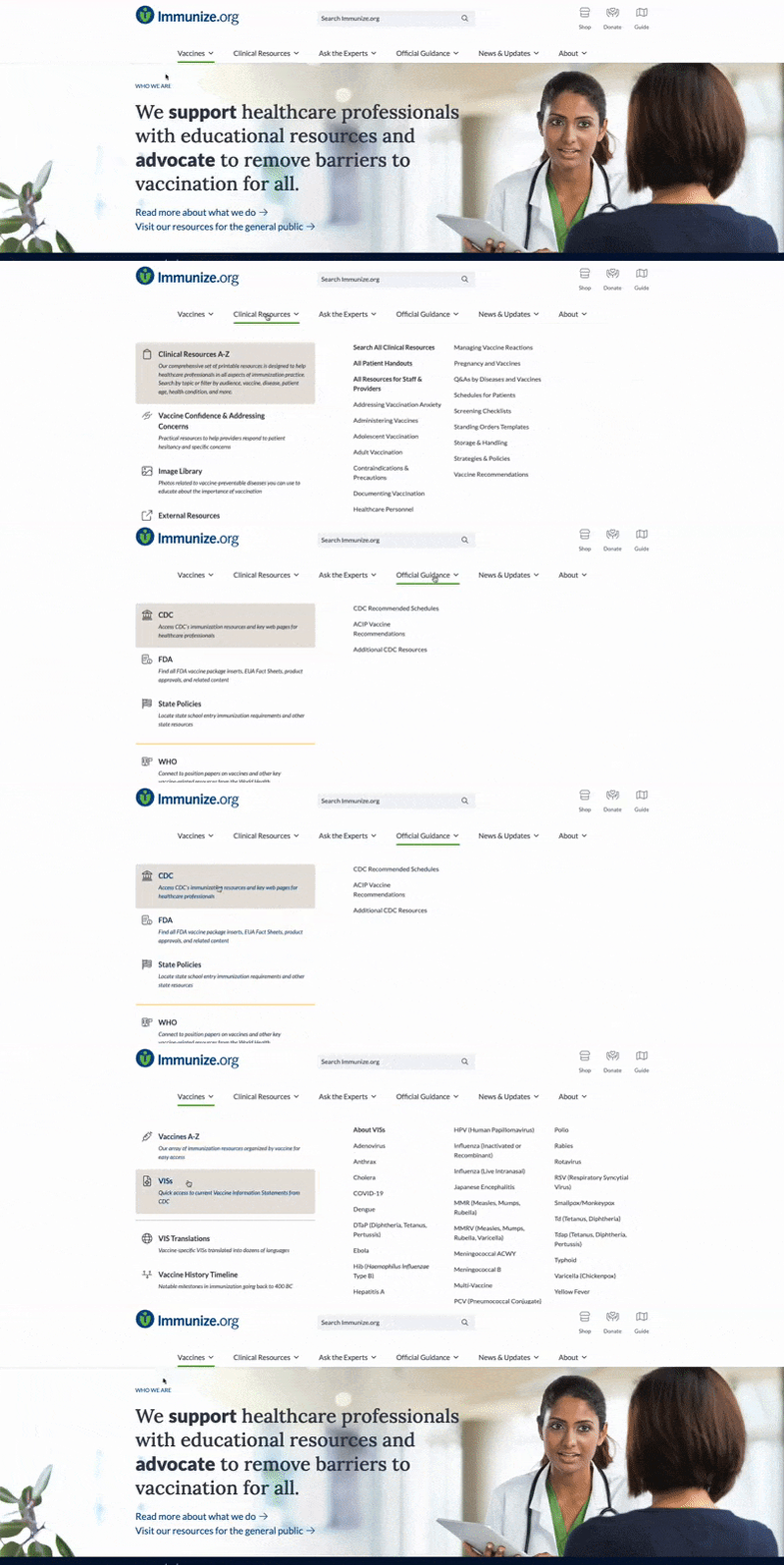
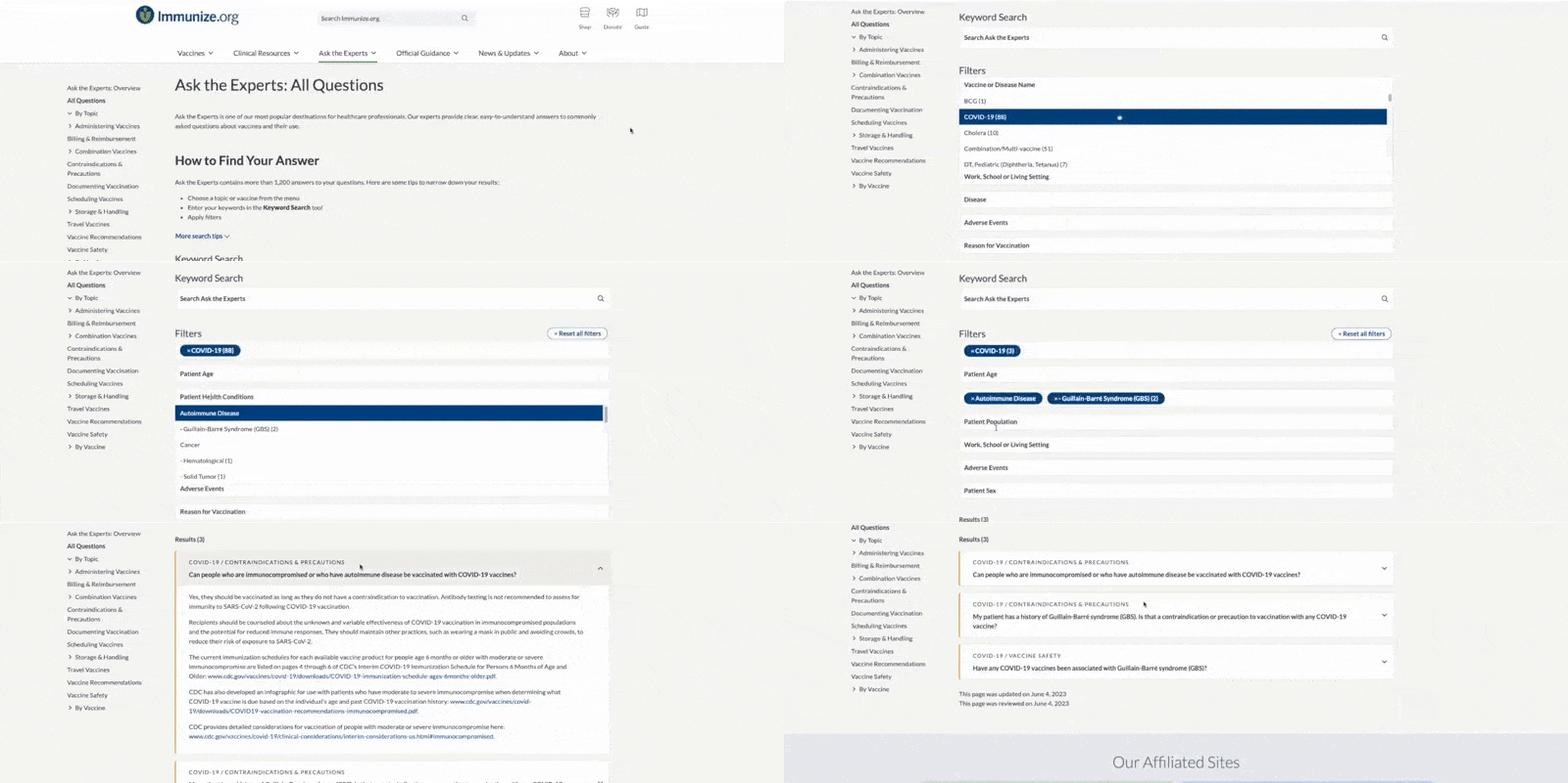
For a brief overview of the entire section, view the short video, Introducing Immunize.org's Getting Started: For New Vaccinators Web Pages (2:28).
Summary: these updated Immunize.org educational materials for clinicians were released during August and September
IZ Express regularly provides readers with information about Immunize.org’s new and updated educational materials for healthcare professionals and their patients. All Immunize.org materials are free to distribute.
If you missed them, the following materials were posted in recent weeks.
Clinical Resources to Administer and Screen:
- Administering Vaccines: Dose, Route, Site, and Needle Size
- Administering Vaccines to Adults: Dose, Route, Site, and Needle Size
- Screening Checklist for Contraindications to Vaccines for Children and Teens and available in 17 translations
- Screening Checklist for Contraindications to Vaccines to Adults and available in 17 translations
- Standing Orders for Administering:
- Respiratory Syncytial Virus Vaccine (RSV) to Adults Age 50 Years and Older
- Pfizer Respiratory Syncytial Virus (RSV) Vaccine (Abrysvo) During Pregnancy
- Nirsevimab RSV Preventive Antibody (Beyfortus, by Sanofi) to Infants and High-Risk Young Children
- Clesrovimab RSV Preventive Antibody (Enflonsia, by Merck) to Infants
Influenza-Related Clinical Resources:
- Influenza Vaccine Products for the 2026–2027 Influenza Season
- Standing Orders for Administering Influenza Vaccine to Children and Teens
- Standing Orders for Administering Influenza Vaccine to Adults
- Screening Checklist for Contraindications to Injectable Influenza Vaccine (Inactivated “IIV,” Cell Culture “ccIIV,” Recombinant “RIV,” or mRNA)
- Screening Checklist for Contraindications to Live Attenuated Intranasal Influenza Vaccination
- How to Administer Intramuscular and Intranasal Influenza Vaccines
- How to Administer Intranasal and Oral Vaccinations
- Guide for Determining the Number of Doses of Influenza Vaccine to Give to Children Age 6 Months Through 8 Years
- Communicating the Benefits of Influenza Vaccination
- Talking with Your Patient About Contraindications and Precautions to Influenza Vaccination
- Declination of Influenza Vaccination
- Don’t Take Chances with Your Family’s Health — Make Sure You All Get Vaccinated Against Influenza Every Year
- Not Sure If You Can Get an Influenza Vaccine?
Clinical Resources to Support Patients:
Ask the Experts Section Updates:
Webinar & Videos:
- Website Office Hours Webinar: States Web Pages (29:48)
- Website Training Video: States Web Pages (20:39)
- New! Website Office Hours Webinar: Getting Started & Affiliated Websites for Healthcare Providers (34:51)
- New! Website Training Video: Websites for the Public: Getting Started & Affiliated Websites for Healthcare Providers (21:52)
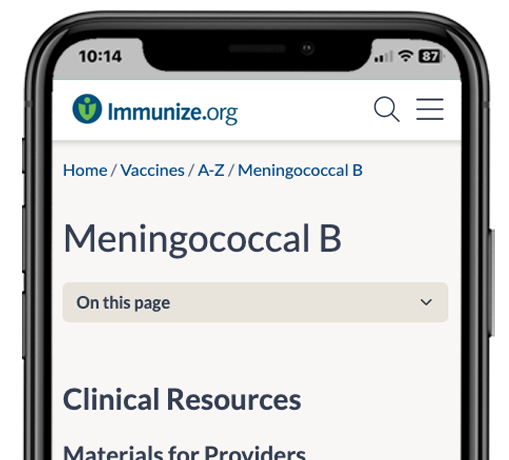
- New! Orientation Video Series: Healthcare Professional Organization Vaccine Recommendations and Schedules (mobile view) (3:32)
Recap: Immunize.org launches new "Clinical Resources" web page compiling its clinical resources for seasonal vaccines (influenza, RSV, and COVID-19)
On September 23, Immunize.org launched a new topic area under the Clinical Resources A–Z menu: Clinical Resources: Seasonal Vaccines (Influenza, RSV, COVID). This page pulls together the Immunize.org clinical resources that focus on annual seasonal respiratory virus vaccination. This web page helps users locate available provider and patient education, workflow tools, and other Immunize.org resources needed for a successful seasonal respiratory virus immunization campaign. At the bottom of the topic page, select links are also offered to partner seasonal vaccination resources.

The list of clinical resources displayed are sorted by default with the most recently updated resources at the top. Check here routinely to see when a resource you need was reviewed and updated. The image below highlights the Sort button that displays resources in order of “Updated Date Newest.”

Visit Clinical Resources: Seasonal Vaccines (Influenza, RSV, COVID) for quick access to the seasonal resources you need. Encourage your colleagues to do the same.
Recap: Immunize.org posts updated translations of six popular patient handouts in seven languages, plus 13 new Spanish translations
Immunize.org is committed to supporting patient access to understandable vaccination information. We recently posted seven new translations of the current versions of six popular patient handouts. These 1-page handouts each summarize basic information about recommended vaccines. These are valuable resources for adults, pregnant patients, and families of infants, children, and adolescents.
Locate these and all other translations of VISs and clinical resources on our Translations main page.
| Immunizations for Babies – English | Vaccinations for Infants and Children, Age 0–10 Years – English | Vaccinations for Preteens and Teens – English |
| Arabic | Arabic | Arabic |
| Chinese-Simplified | Chinese-Simplified | Chinese-Simplified |
| French | French | French |
| Korean | Korean | Korean |
| Russian | Russian | Russian |
| Spanish | Spanish | Spanish |
| Vietnamese | Vietnamese | Vietnamese |
| When Do Children and Teens Need Vaccinations – English | Vaccinations for Pregnant Patients – English | Vaccinations for Adults – English |
| Arabic | Arabic | Arabic |
| Chinese-Simplified | Chinese-Simplified | Chinese-Simplified |
| French | French | French |
| Korean | Korean | Korean |
| Russian | Russian | Russian |
| Spanish | Spanish | Spanish |
| Vietnamese | Vietnamese | Vietnamese |
The following 13 translation updates are available in Spanish-only.
In most of the contiguous 48 states, use of RSV preventive antibody [nirsevimab (Beyfortus, Sanofi) and clesrovimab (Enflonsia, Merck)] begins October 1 and ends March 31, unless use of RSV preventive antibody outside of this interval is recommended by public health authorities in response to local RSV activity. This aligns the recommended timing of RSV preventive antibody administration with the seasonality of RSV infection, which varies geographically.
RSV circulation patterns differ in Alaska and tropical climates, so the recommended timing of RSV preventive antibody administration differs. Locations with tropical climates include southern Florida, Hawaii, Guam, Puerto Rico, U.S. Virgin Islands, and U.S.-affiliated Pacific Islands. Providers in these jurisdictions should follow state or territorial guidance on timing.
Remind and recall: Clinics need to immunize all infants less than age 8 months born in late spring or summer who were not protected from RSV disease through maternal vaccination during pregnancy or through administration of a dose of nirsevimab or clesrovimab at birth. RSV preventive antibody products may be given at the same time as vaccines. All but high-risk infants age out of eligibility for RSV preventive antibody administration at age 8 months. Infants at high risk are eligible for antibody administration for protection through their second RSV season when age 8 months through 19 months. Immunization before they age out of eligibility will ensure their protection through the coming RSV season.
Standing Orders Templates. Immunize.org recently updated all of its RSV standing orders templates to align with the 2026–27 season recommendations from the American Academy of Pediatrics (AAP), American College of Obstetricians and Gynecologists (ACOG), and the American Academy of Family Physicians (AAFP) published on September 2, 2026.
The following resources were updated:
- Standing Orders for Administering Pfizer Respiratory Syncytial Virus (RSV) Vaccine (Abrysvo) During Pregnancy
- Standing Orders for Administering Respiratory Syncytial Virus Vaccine (RSV) to Adults Age 50 Years and Older
- Standing Orders for Administering Nirsevimab RSV Preventive Antibody (Beyfortus, by Sanofi) to Infants and High-Risk Young Children
- Standing Orders for Administering Clesrovimab RSV Preventive Antibody (Enflonsia, by Merck) to Infants
NFID launches TameIt.org website and National Respiratory Communications Initiative, to reach U.S. adults who support vaccines but don’t know which ones they need
According to a recent survey by NFID, most U.S. adults are in favor of vaccination but don’t know which vaccines are recommended for them. NFID and partners announced the launch of its National Respiratory Communications Initiative (NRCI) to help turn support for vaccination into action.
TameIt.org brings together information for the public about evidence-based vaccination recommendations for every stage of life from the American Academy of Family Physicians (AAFP), the American Academy of Pediatrics (AAP), the American College of Obstetricians and Gynecologists (ACOG), and the Infectious Diseases Society of America (IDSA). The website also includes one-page summaries, content for social media, and other customizable resources.

View all materials at TameIt.org.
Now available in Spanish: Vaccinate Your Family shares its free, online Vaccination Community Learning Program describing the essentials of vaccine science, safety, communication, and access
Now available in Spanish, Vaccinate Your Family offers its VYF University's flagship program, Vaccination Community Learning Program (VCLP) or Programa de Aprendizaje Comunitario sobre Vacunación. This program is a set of free online courses describing the essentials of vaccine science, safety, communication, and access. It is designed for community health workers, healthcare providers, advocates, or anyone interested in protecting their community. VCLP courses include:
- Vaccine basics and how vaccines work
- Strategies to address misinformation
- How to navigate vaccination barriers
- Tips for talking with people about vaccines
Enroll in VCLP in English or Spanish.
Related Link
- VYF: VYF University courses
VISs explain both risks and benefits of vaccination. Federal law requires you to document provision of CDC’s current VIS before administering any vaccine covered by the Vaccine Injury Compensation Program. CDC recommends VISs accompany other vaccines, too. An easy, paperless way to comply with the law is for patients to scan a QR code and access the VIS from a smartphone or tablet. Immunize.org assembled a table with QR code links to all VISs and the Immunization Information Statement for RSV preventive antibody. The table is now available for purchase as a durable, laminated poster.
These tables belong in any room where vaccinations are given.
Learn more in our 2-minute Laminated VIS QR Code Tables video. The video is available in the Immunize.org shop and on our YouTube channel.

Pricing (includes all shipping and handling costs)
| Laminated CDC VIS QR Code Table (English) | Bundle: Laminated CDC (English) + Spanish Translation VIS QR Code Tables (includes 1 CDC VIS table and 1 table of translations) |
| 1 copy: $14.00 | 1 bundle: $20.00 |
| 2 copies: $9.00 each | 2 bundles: $16.00 each |
| 3–4 copies: $6.50 each | 3–4 bundles: $12.00 each |
| 5–9 copies: $5.00 each | 5–9 bundles: $8.50 each |
| 10–19 copies: $4.00 each | 10–19 bundles: $7.00 each |
| 20–59 copies: $3.00 each | 20–59 bundles: $6.00 each |
| 60+ copies: $2.50 each | 60+ bundles: $5.00 each |
Visit the Shop Immunize.org: Laminated VIS QR Code Tables web page to view images and order today! For additional information, call 651-647-9009 or email admininfo@immunize.org.
Immunize.org's www.Give2MenACWY.org website promotes the importance of adolescent vaccination, including the recommended MenACWY vaccine booster dose at age 16. Many teens are behind on vaccines, so vaccine outreach is more important than ever.
If you are looking for tools to explain meningococcal vaccine recommendations and assist in improving adolescent acceptance for all recommended vaccines, view this site. Check out the many helpful tools from Immunize.org, CDC, and other organizations.

The website is divided into five easy-to-access sections:
- Vaccinate Teens: teen vaccination schedules and tips for improving vaccination rates
- Give 2 Doses: tools to help improve second dose coverage of MenACWY vaccine
- 16-Year-Old Visit: resources to help providers and patients remember the important vaccines recommended for 16-year-olds
- Tools for Providers: tools to explain meningococcal ACWY vaccine recommendations and improve uptake of all adolescent vaccines
- Resources: links to print materials, organizations involved in adolescent vaccination, personal stories about the importance of vaccination, and other resources of interest
The site also categorizes materials according to whether they are primarily of interest to providers, to adolescents, or to parents.
Visit Give2MenACWY.org and enjoy browsing (and deploying) its bountiful resources.
Related Links
- MenACWY: You're Not Done If You Give Just One: Give 2 Doses to Strengthen Protection
- Recommending MenACWY: What to Say and How to Say It
- Top 10 Ways to Improve Adolescent Immunization Rates
- Developing an Immunization Culture in Your Office
- Know Your Rates: Measuring Immunization Success in Your Practice
- Immunize.org: You're 16: We Recommend These Vaccines for You
- Dear Colleague Letter: 16-Year-Old Patients: Make Sure They Receive Their Annual Well Visit and Vaccinations, signed by six medical societies
- Immunize.org: Ask the Experts: Meningococcal ACWY
- CDC: ACIP Meningococcal Vaccine Recommendations
- CDC: Vaccination Coverage Among Adolescents Aged 13–17 Years—National Immunization Survey–Teen, United States, 2024
In its November 14 issue, Vaccine published Temporal Trends in Tdap Vaccination Coverage During Pregnancy in the Vaccine Safety Datalink, 2016 Through 2023. Tdap vaccination is recommended during each pregnancy because it is the best way to prevent serious pertussis infections in the first months of life, reducing the risk of pertussis hospitalization by up to 90% in young infants. The Highlights section appears below.
- Maternal Tdap vaccination coverage was examined among >100,000 births annually from 2016 to 2023.
- Vaccination coverage declined nearly five percentage points from 2020 (88.5%) to 2023 (83.9%).
- Differences in coverage by age and race and ethnicity widened in later study years.

In its October issue, Lancet Oncology published Global Burden of Cancer Attributable to Infections in 2024: A Worldwide Incidence Analysis. Portions of the abstract appear below.
To inform prevention efforts, we provide a comprehensive picture of cancer burden attributable to infections, including newly established, carcinogenic infectious agents and latest global cancer incidence estimates. . . .
An estimated 2·3 million new cancer cases were attributable to infections globally in 2024, which is equivalent to 12% of all cancer cases. The largest number of cases was attributable to H pylori (n=760 000, PAF 4%), followed by HPV (n=750 000, 4%), HBV [hepatitis B virus] (n=360 000, 2%), EBV [Epstein-Barr virus] (n=260 000, 1%), and HCV [hepatitis C virus] (n=160 000, <1%). . . .
Our findings highlight the importance of infection control to achieve cancer prevention. Scientifically proven, but often underused, approaches include HPV and HBV vaccination; testing and treatment of HIV, H pylori, HBV, and HCV; safe injection practices; access to condoms and pre-exposure prophylaxis to prevent HIV transmission; and screening of precancerous lesions for HPV-driven cervical and anal cancer.

To learn simple tips and tricks for using our websites efficiently, please register for our next set of Website Office Hours on Wednesday, October 7, at 4:00 p.m. (ET) or Thursday, October 8, at 12:00 p.m. (ET). The same content will be considered in both sessions.
We will open each 30-minute session with a short, live demonstration on navigating our resources for seasonal respiratory virus vaccines. You can submit questions when you register or live on Zoom during the session.

Register today for Immunize.org Website Office Hours (content is the same for both):
The archive of previous Website Office Hours content is posted at Immunize.org’s "Webinars & Videos" page. Shorter, demonstration-only recordings of previous Website Office Hours are also available in our Website Training Videos series.
Mark your calendar for future Immunize.org Website Office Hours.
Virtual: NFID offers 2026 Clinical Vaccinology Course online November 16–18, fee to register; CME and CNE credit offered
NFID will hold its Clinical Vaccinology Course November 16–18. This 3-day online course focuses on new developments and issues related to the use of vaccines. Expert faculty provide the latest information on vaccines, including updated recommendations for vaccinations across the lifespan, and innovative and practical strategies for ensuring timely and appropriate vaccination.
Register for the online course ($700 fee).

For more upcoming events, visit our Calendar of Events.
About IZ Express
IZ Express Disclaimer
ISSN 2771-8085
Editorial Information
-
Editor-in-ChiefKelly L. Moore, MD, MPH
-
Managing EditorJohn D. Grabenstein, RPh, PhD
-
Associate EditorSharon G. Humiston, MD, MPH
-
Writer/Publication CoordinatorTaryn Chapman, MS
Courtnay Londo, MA -
Style and Copy EditorMarian Deegan, JD
-
Web Edition ManagersArkady Shakhnovich
Jermaine Royes -
Technical ReviewerKayla Ohlde