
Immunization Action Coalition

Home page
Unprotected Babies: Two more infants chronically infected
with hepatitis B virus . . . the medical errors continue
 For a formatted version (PDF) of this web page, suitable for copying, click here.

The PDF version is identical to the original printed document and is suitable for making copies. Adobe Acrobat Reader
is needed  to view it. The web version  below contains the full text of this document but without the original formatting.

   
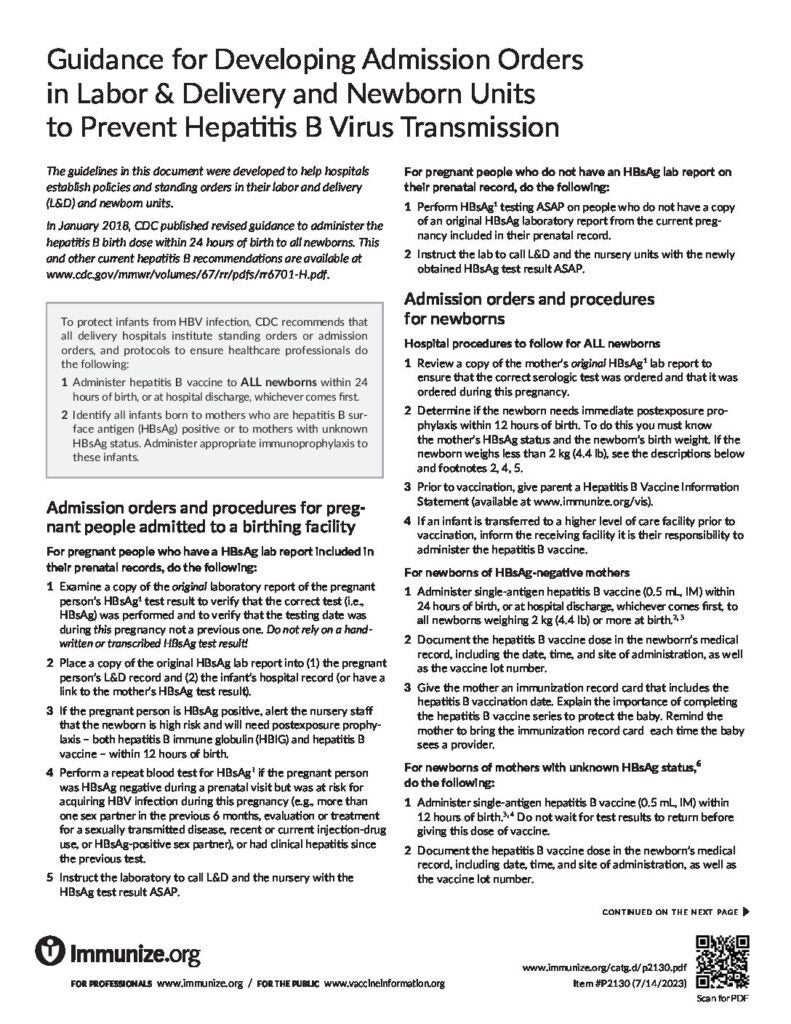
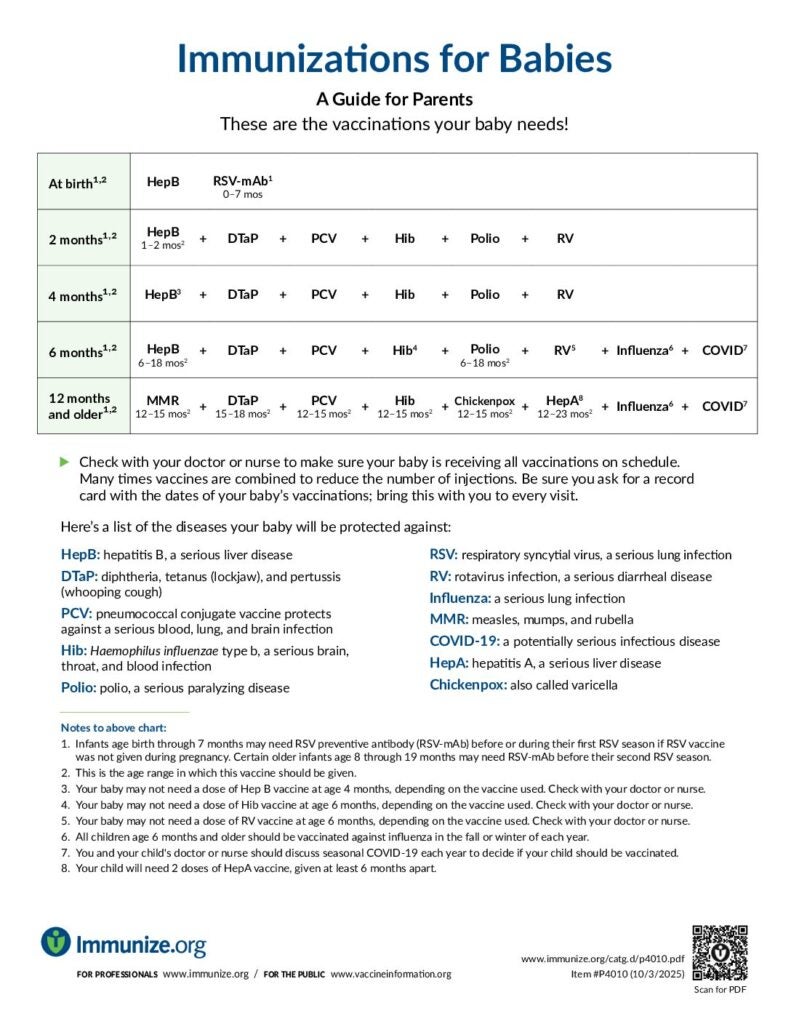
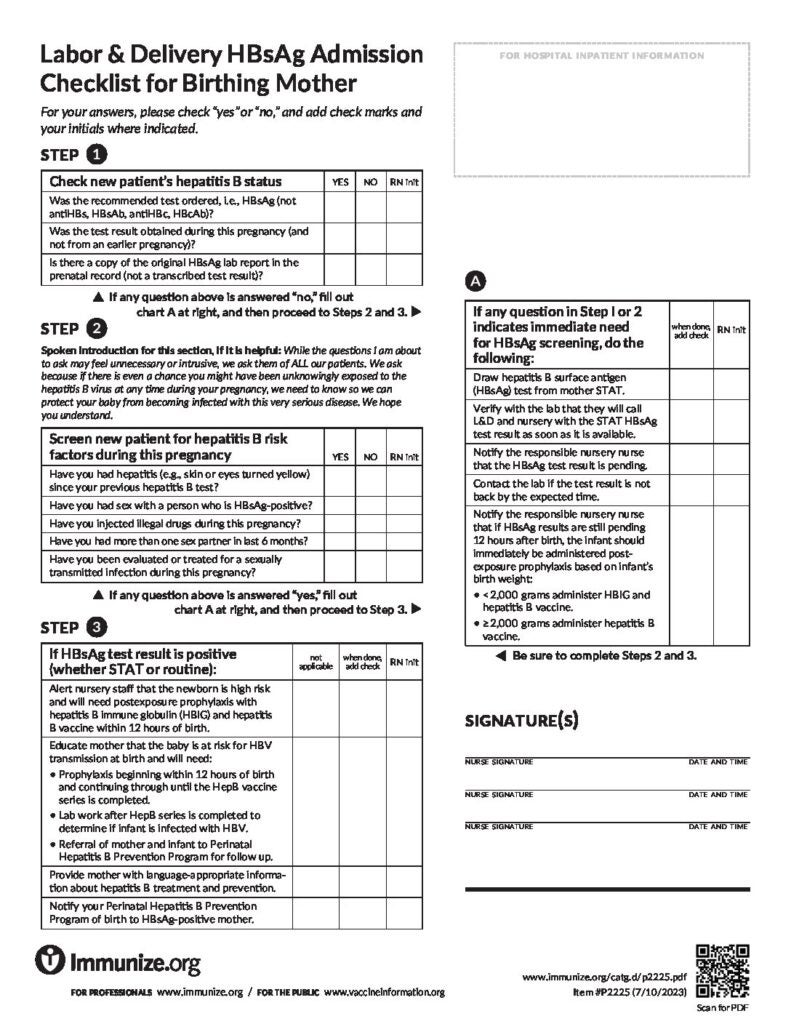
Approximately 19,000 women with chronic hepatitis B virus (HBV) infection give birth in the United States each year, and 90 percent of perinatal HBV infections can be prevented by post-exposure prophylaxis given within 12 hours of birth. Tragically, hundreds of newborns don't receive appropriate prophylaxis (0.5 mL hepatitis B vaccine and 0.5 mL hepatitis B immune globulin [HBIG]) within 12 hours of birth.

Confusion continues long after the thimerosal controversy of 1999 and the removal of the preservative thimerosal from all pediatric hepatitis B vaccines. On July 8, 1999, the American Academy of Pediatrics (AAP) and the U.S. Public Health Service (PHS) issued a joint statement that summarized theoretical concerns about thimerosal, a mercury-containing preservative, and stated that administration of the birth dose of hepatitis B vaccine could be delayed until infants of HBsAg-negative mothers are two to six months of age. The joint statement did not alter its recommendation to vaccinate (within 12 hours of birth) all infants born to HBsAg-positive women or to women whose HBsAg status is unknown.

Although thimerosal-free hepatitis B vaccine became available in September 1999, many hospitals and health professionals continue to delay administration of the first dose of hepatitis B vaccine, even for infants at risk for perinatal HBV exposure. Unfortunately, children who become infected when they are less than one year of age have a 90 percent chance of developing chronic hepatitis B virus infection with all its serious potential sequelae, including up to a 25 percent risk of death from cirrhosis or liver cancer later in life. The following two cases from Colorado illustrate how easily unprotected babies can become chronically infected children.

Case #1
The first case occurred in December 1999. The mother was of Hmong ethnicity, born in Thailand. She had been diagnosed with chronic HBV infection in 1994 during her first pregnancy; this pregnancy was her third. In her prenatal record she was documented to be HBsAg and HBeAg positive, and this information appeared in several places on the record that was sent to the hospital. Despite this, her baby did not receive HBIG or the first dose of hepatitis B vaccine in the hospital. As a matter of fact, the hepatitis B vaccine order was crossed out in the infant's chart. Follow-up with the pediatrician on day six indicated that the baby still had not received any prophylaxis. The first dose of vaccine was given when the infant was three weeks of age, the second three months after the first, and the third six months after the first.

Upon contacting the hospital where the baby was delivered to determine why HBIG and hepatitis B vaccine were not given within 12 hours of birth, the state health department representative was told that it was unclear how this baby was missed and perhaps it was because the hospital had no hepatitis B vaccine at the time of delivery. They indicated that the infant was to receive the first dose of vaccine at the pediatrician's office. However, this did not happen until the baby was three weeks of age, and only after the office was contacted by the state health department to request that it be done. The child's current status is unfortunate. Diagnosed HBsAg-positive at 19 months of age, the child is now being followed by a liver specialist for chronic HBV infection.

Case #2
The second case occurred in August 2001, in a different hospital and city. The mother was also of Asian descent (Indonesian) and had tested positive for HBsAg midway through her pregnancy. The HBsAg lab result was recorded on the prenatal record, which was sent to the hospital. The hospital staff also recorded the HBsAg-positive test result on the hospital's obstetrical evaluation sheet. It was not acted upon by either the delivering physician or the labor and delivery staff, nor was the mother's HBsAg-positive test result communicated to or noted by the newborn nursery. The hospital did not have a policy in place to address management of babies born to HBsAg-positive mothers or to mothers of unknown status. The infant received neither HBIG nor hepatitis B vaccine at birth. In fact, the high-risk infant did not receive the first dose of hepatitis B vaccine until two months of age. Unfortunately, this child has also tested HBsAg positive.

In reviewing the case, a staff member at the state health department acknowledges that the baby should have been followed more closely. Part of the problem was that the health department field investigator didn't contact the hospital before the birth to ensure appropriate care would take place. Additionally, after the birth, the hospital sent the state an inaccurate report, stating that the child had received prophylaxis in the hospital. The investigator did not review the hospital record or call the physician to verify that the information was accurate.

Such errors are not unique to Colorado. The Immunization Action Coalition (IAC) surveyed state and local hepatitis B coordinators about perinatal hepatitis B practices in 2001 and again in 2002. The coordinators' responses contain hundreds of examples of children who were unprotected or inadequately protected because health professionals, clinic staff, or hospital staff failed to order or misordered the hepatitis B blood test or misinterpreted, mistranscribed, or miscommunicated the test results of the infants' mothers. To read the survey results, or to view or download related resources and recommendations, please visit IAC's birth dose web page at: www.immunize.org/birthdose
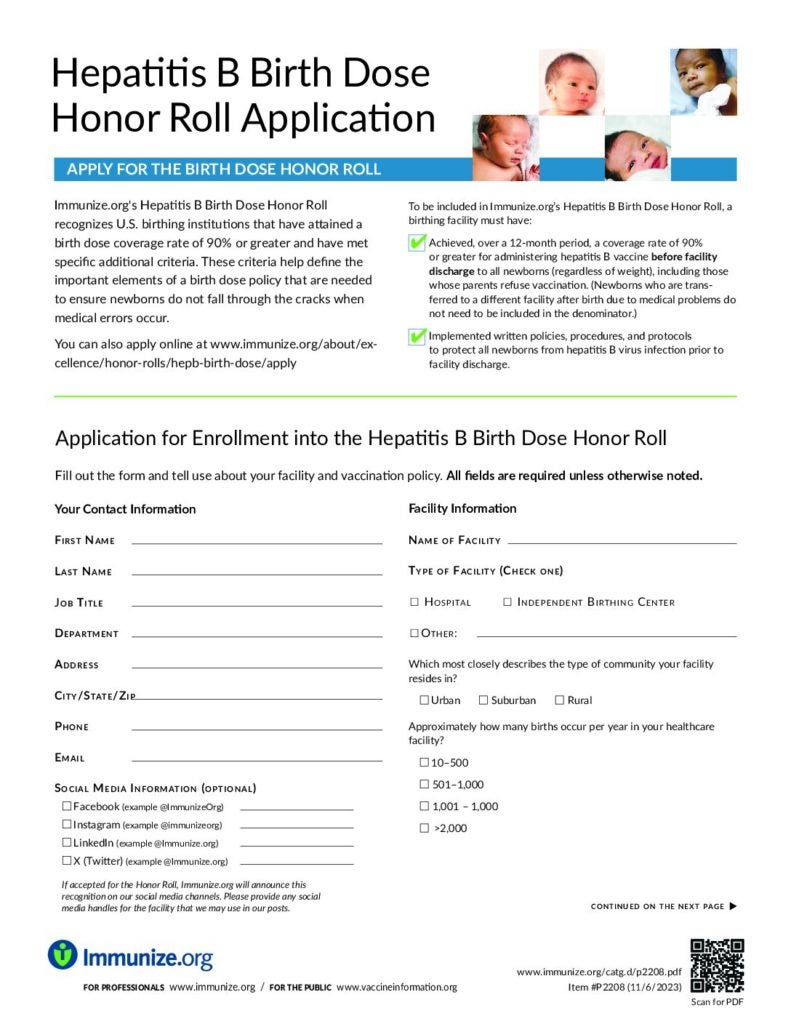
Don't let infants go unprotected against hepatitis B virus infection because of avoidable human errors. Give every infant a dose of hepatitis B vaccine no later than hospital discharge. It's the safety net that will protect everyone.

Item #P2127 (1/05)
www.immunize.org/catg.d/p2127.pdf

Home page

Immunization Action Coalition1573 Selby AvenueSt. Paul MN 55104
E-mail: admin@immunize.org Web: http://www.immunize.org/
Tel: (651) 647-9009Fax: (651) 647-9131