
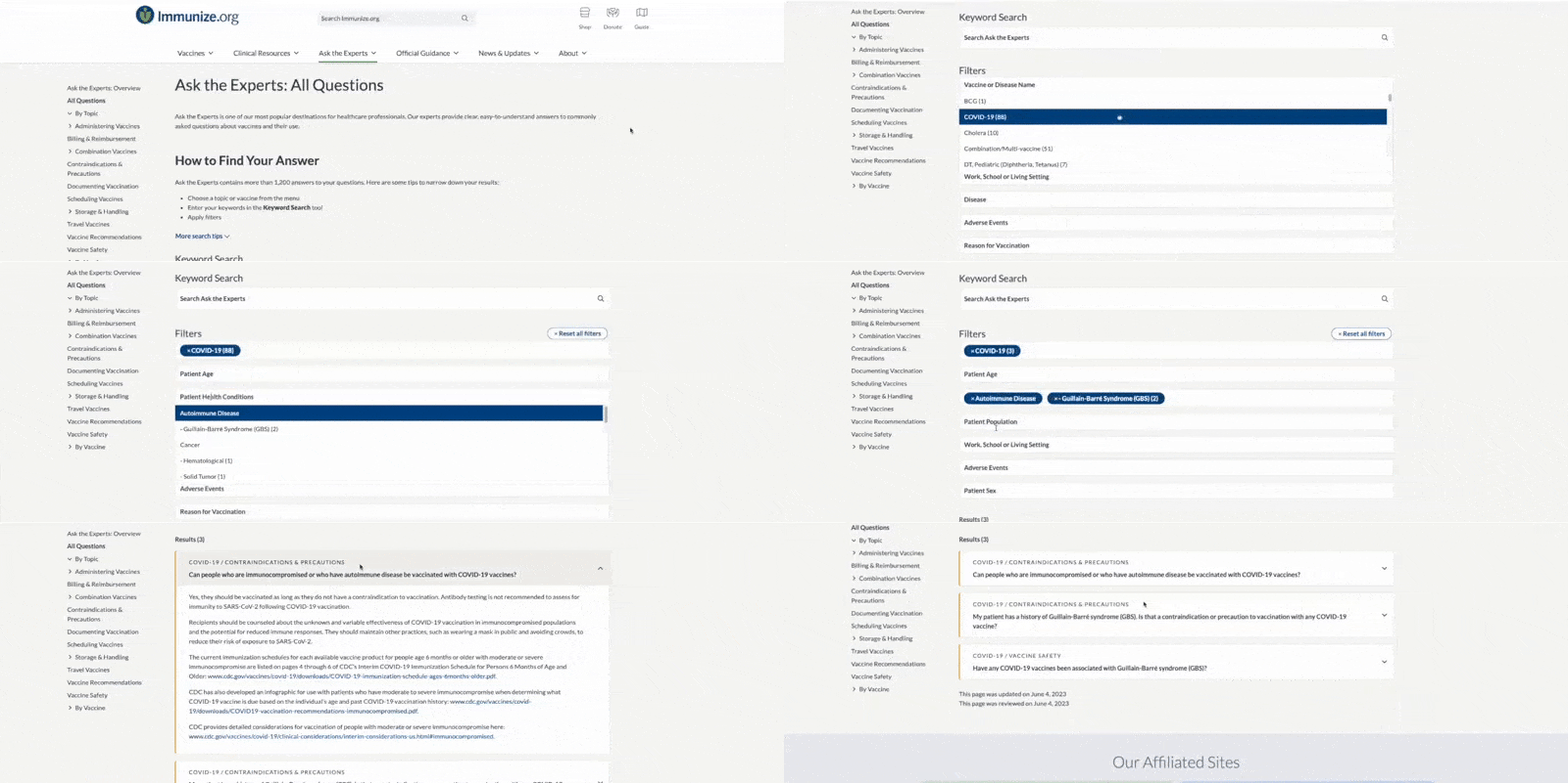
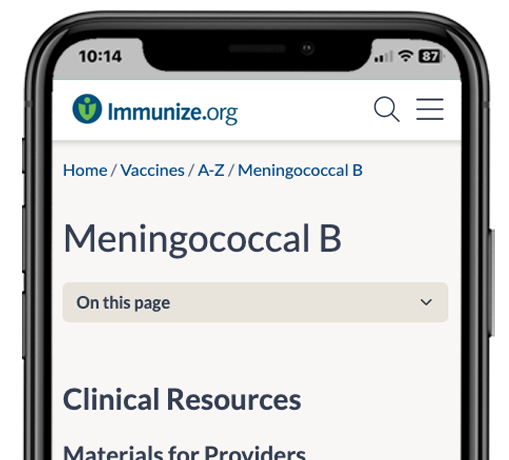


- Immunize.org updates more of its 2026–27 suite of influenza vaccination resources
- FDA licenses updated COVID-19 vaccines; healthcare professional organization recommendations anticipated September 2
- Immunize.org reviews and updates Ask the Experts web section on varicella vaccination
- Immunize.org updates popular handout, “Tips for Locating Old Immunization Records”
- Measles 2026: two measles-associated deaths reported by Pennsylvania; MMWR describes measles transmission trends
- “Introducing VaccineInformation.org": the new 4-minute video, part of the Orientation Video Series on YouTube
- Vaccines in the news
- Summary: these updated Immunize.org materials were released during July and August
- Recap: Immunize.org and Association of Immunization Managers update “Communicating the Benefits of Influenza Vaccination” for the 2026–27 season
- Recap: Immunize.org reviews and updates Ask the Experts web section on measles, mumps, rubella, and MMR vaccination
- Preparing for influenza season? Need VIS translations? Download and print Immunize.org’s free QR code table that links directly to all injectable influenza VIS translations
- From the Immunize.org shop! Laminated VIS QR code tables deliver CDC VISs directly to your patients’ smartphones (Spanish translation available).
- Explore the www.Give2MenACWY.org website to increase coverage for the MenACWY booster and other adolescent vaccinations
- Recap: Most states resume offering RSV vaccination during pregnancy weeks 32 through 36 on September 1 and prepare to resume immunization of eligible infants and toddlers with RSV preventive antibodies by October
- “HPV Vaccination and Risk of Head and Neck Cancers: A Large Real-World Cohort Study” published in International Journal of Infectious Diseases
- “Heterogeneity Among the Vaccine Hesitant: A Secondary Analysis of the National CEAL Common Survey Data” published in Vaccine
- “Cardiac outcomes following SARS-CoV-2 infection versus BNT162b2 vaccination in adolescents and young adults: a cohort study of 4 million individuals” published in Vaccine
Immunize.org updates more of its 2026–27 suite of influenza vaccination resources
Immunize.org is conducting the annual review of our entire suite of influenza clinical resources and online content for the 2026–27 season. Certain resources requiring clinical details of recommendations await additional information from CDC and/or medical societies for completion, including the standing orders template for adult immunization, which will include the newly licensed mRNA influenza vaccine (mFlusiva, Moderna). All resources that have been reviewed have a new “last reviewed” date in the footer to indicate the information is current for the 2026–27 season, whether or not changes were necessary. Updated resources available now include:
- Declination of Influenza Vaccination: references updated to direct to 2026–27 recommendations from the American Academy of Pediatrics (AAP), American Academy of Family Physicians (AAFP), and Infectious Diseases Society of America (IDSA) for additional information.
- Don’t Take Chances with Your Family’s Health—Make Sure You All Get Vaccinated: no change to content; illustration updated.
- Guide for Determining the Number of Doses of Influenza Vaccine to Give to Children Age 6 Months Through 8 Years: no change to content; reference links to 2026–27 recommendations from AAP.
- How to Administer Intranasal and Oral Vaccinations: vaccine administration language was clarified.
- Influenza Vaccine Products for the 2026–2027 Influenza Season: updated to include 2026–27 licensed products, including mFlusiva (mRNA influenza vaccine, Moderna). Added CVX code for mFlusiva.
- Not Sure If You Can Get an Influenza Vaccine? Minimal wording updates.
- Communicating the Benefits of Influenza Vaccination: influenza disease burden and vaccination rates were updated (codeveloped with the Association of Immunization Managers).
- Standing Orders for Administering Influenza Vaccine to Children and Teens: based on 2026–27 recommendations from AAP. Consistent with previous years, AAP recommends all children age 6 months and older be vaccinated against influenza annually.
Related Links
- Immunize.org: Vaccines A–Z: Influenza web page
- Immunize.org: Clinical Resources A–Z main page, where you can filter by topic, vaccine, language, or other criteria
On August 27, FDA licensed four updated COVID-19 vaccines for use during the 2026–27 season. Each vaccine is indicated to help prevent severe disease caused by the dominant SARS-CoV-2 strain, the JN.1 lineage XFG subvariant.
These include three brands of mRNA COVID-19 vaccine (Comirnaty, Pfizer-BioNTech; Spikevax, Moderna; and mNexspike, Moderna) as well as the adjuvanted protein-subunit vaccine (Nuvaxovid, Sanofi).
Next steps
Medical societies are expected to release their recommendations for the use of COVID-19 vaccines on Wednesday, September 2. Once published, Immunize.org will add these recommendations to our Healthcare Professional Organization Vaccine Recommendations web page and announce them in IZ Express the following week. Immunize.org will update standing orders templates for COVID-19, adult influenza, and RSV vaccines based on these medical society recommendations as soon as feasible.
Related Links
- FDA: Comirnaty approval letter (PDF)
- FDA: mNexspike approval letter (PDF)
- FDA: Nuvaxavoid approval letter (PDF)
- FDA: Spikevax approval letter (PDF)
- Immunize.org: Healthcare Professional Organization Vaccine Recommendations main page
- Immunize.org: Package Inserts and FDA Product Approvals main page
Immunize.org updated the questions and answers in its Ask the Experts web section for Varicella (Chickenpox) vaccination. Answers were updated with current disease epidemiology and now indicate differences between CDC and American Academy of Pediatrics (AAP) recommendations regarding the use of MMRV vaccine.

Immunize.org's Ask the Experts main page leads you to 30 distinct web sections on dozens of topics with more than 1,300 common or challenging questions and answers (Q&As) about vaccines and their administration. Immunize.org's team of experts includes Kelly L. Moore, MD, MPH (team lead); Carolyn B. Bridges, MD, FACP; Iyabode Beysolow, MD, MPH; and Jane R. Zucker, MD, MSc.
Related Links
- Immunize.org: Ask the Experts: Varicella (Chickenpox) main page
- Immunize.org: Ask the Experts main page to access more than 1,300 questions and answers in narrative or video format
- Immunize.org: View All Video Questions, 86 quick videos of individual questions and answers found in Ask the Experts; use filters to narrow choices
- Immunize.org: Orientation Video Series: Ask the Experts (3:36) Dr. Kelly Moore introduces the Ask the Experts section; also available for mobile devices
- Immunize.org: Website Office Hours: Ask the Experts (29:31) provides in-depth guidance for navigating the Ask the Experts section of the website
Immunize.org updated its popular document for families, titled Tips for Locating Old Immunization Records. Revisions include updated information on immunization information systems, preserving old patient records, the availability of consumer portals for individuals to access their own records in some states, and some updates to terminology.

Related Link
- Immunize.org: Clinical Resources A–Z main page, where you can filter by topic, vaccine, language, or other criteria
According to Johns Hopkins University's U.S. Measles Tracker web page, as of August 28, there have been 2,999 confirmed measles cases reported in the United States in 2026. CDC’s routine weekly update of data on measles cases was delayed.
Interactive, state-specific current measles case information is available from the U.S. Disease Tracker website, a collaboration among Johns Hopkins University, the Association of State and Territorial Health Officials (ASTHO), and the Council of State and Territorial Epidemiologists (CSTE).

Publication about Measles in South Carolina
In the August 27 MMWR, CDC described a modeling technique that can improve real-time disease estimates, correcting for report delays during measles outbreaks. The technique, called nowcasting, which supports more informed public health decision-making, is highlighted in Use of Nowcasting to Estimate Real-Time Transmission Trends During a Measles Outbreak—South Carolina, October 2025–March 2026.
- FactCheck.org: What We Know About Pennsylvania’s Two ‘Measles-Associated’ Deaths (8/28/26)
- AAP: Fact Checked: The MMR (Measles, Mumps and Rubella) Vaccine Is Safe and Effective web page
- CDC: Measles Cases and Outbreaks main page
- Immunize.org: Vaccines A–Z: Measles main page
- LetsGetRealAboutVaccines.org: Measles web page
- VaccineInformation.org: Measles web page
This week, Immunize.org shares its latest 4-minute orientation video for our websites: Introducing VaccineInformation.org. In this video, Kelly Moore, MD, MPH, provides a quick overview of VaccineInformation.org, our educational website for the public, offering straightforward information for people of all ages about vaccine-preventable diseases and vaccines to prevent them.
The video is available on our YouTube channel, along with our full Orientation Video Series. This series is a collection of short videos on how to navigate Immunize.org resources. The series can also be found on the Immunize.org website: from the "Clinical Resources" menu, click on "Webinars & Videos," then Videos, and then Orientation Video Series.

Immunize.org videos are regularly shared on our social media channels. Like, follow, and share Immunize.org’s social media accounts and encourage those interested in vaccination to do likewise.
- Facebook at ImmunizeOrg
- Instagram at ImmunizeOrg
- LinkedIn at ImmunizeOrg
- YouTube at ImmunizeOrg
These recent articles convey the potential risks of vaccine-preventable diseases and the importance of vaccination.
- FactCheck.org: What We Know About Pennsylvania’s Two ‘Measles-Associated’ Deaths (8/28/26)
- BBC: How Dolly Parton Helped the World – From Children’s Books to Supporting COVID Vaccine (8/26/26)
- The Atlantic: More American Families Are Refusing Vaccines (8/25/26)
- CIDRAP: Catholic Bishops Tell Florida AG There’s No Theological Reason for School Vaccine Exemptions (8/24/26)
- NOTUS: Florida Prepares to Roll Back School Vaccine Requirements (8/24/26)
IZ Express regularly provides readers with information about Immunize.org’s new and updated educational materials for healthcare professionals and their patients. All Immunize.org materials are free to distribute.
If you missed them, the following materials were posted in recent weeks.
Influenza-Related Clinical Resources for Healthcare Professionals:
- Influenza Vaccine Products for the 2026-2027 Influenza Season
- Standing Orders for Administering Influenza Vaccine to Children and Teens
- Communicating the Benefits of Influenza Vaccination
Clinical Resources for Healthcare Professionals:
- Administering Vaccines: Dose, Route, Site, and Needle Size
- Administering Vaccines to Adults: Dose, Route, Site, and Needle Size
- Key Vaccination Resources for Healthcare Professionals
- Notification of Immunization Letter Template
Clinical Resources for Healthcare Professionals and Patients:
- Vaccinations Needed During Pregnancy
- Tetanus: Questions and Answers
- Diphtheria: Questions and Answers
- Pertussis (Whooping Cough): Questions and Answers
Webinar & Videos:
- Website Office Hours Webinar: Websites for the Public: VaccineInformation.org and LetsGetRealAboutVaccines.org (36:46)
- Website Training Video: Websites for the Public: VaccineInformation.org and LetsGetRealAboutVaccines.org (22:08)
- New! Orientation Video Series: Healthcare Professional Organization Vaccine Recommendations and Schedules (mobile view) (3:32)
- New! Orientation Video Series: Introducing VaccineInformation.org (4:05)
- New! Shop Video Series: Shop Laminated VIS QR Code Tables (2:16)
State Immunization Requirement, Exemptions, and Websites Updates:
- New! School and Childcare Vaccine-Specific Requirements, State Laws and Requirements by Vaccine as of May 2026
- New! School and Childcare Immunization Exemption Policies, Exemptions Permitted for State Childcare and School (K–12) Immunization Requirements as of May 2026
- State Immunization Websites, Immunization Requirements for Childcare, School, and College
Recap: Immunize.org and Association of Immunization Managers update “Communicating the Benefits of Influenza Vaccination” for the 2026–27 season
Immunize.org and the Association of Immunization Managers (AIM) updated Communicating the Benefits of Influenza Vaccination to reflect current disease epidemiology and statistics.
Recap: Immunize.org reviews and updates Ask the Experts web section on measles, mumps, rubella, and MMR vaccination
Immunize.org updated the questions and answers in its Ask the Experts web section for MMR (Measles, Mumps, and Rubella) vaccination. Answers were updated with current disease epidemiology, links to new resources, and additional information for outbreak response, in light of the surge in measles cases that began in 2025. There were no changes to basic vaccination schedules or recommendations since the section was last updated in 2023.
Immunize.org's Ask the Experts main page leads you to 30 distinct web pages on dozens of topics with more than 1,300 common or challenging questions and answers (Q&As) about vaccines and their administration. Immunize.org's team of experts includes Kelly L. Moore, MD, MPH (team lead); Carolyn B. Bridges, MD, FACP; Iyabode Beysolow, MD, MPH; and Jane R. Zucker, MD, MSc.
One document puts every available translation of the injectable influenza vaccine VIS at your fingertips as you prepare for influenza vaccination clinics this fall. Be ready to offer influenza vaccine information in their preferred language to almost any client who walks in.
Titled QR Code Links to Vaccine Information Statement (VIS) Translations: Influenza (Flu) Vaccine (Inactivated or Recombinant), this 3-page PDF assembles QR codes for 44 injectable influenza VIS translations. Page one leads off with basic instructions, along with the QR code to the required English VIS and the most popular Spanish VIS. Pages two and three provide the QR codes for each additional language option, along with a few additional VIS resources for healthcare professionals.
Beneath each QR code is the language (in English) and the VIS title in each language. This allows vaccine recipients who do not read English to locate and scan the code for their preferred language with their own smartphone.


This resource does not go out of date. If a VIS is updated, the QR code will automatically link to the current available version online at Immunize.org. Download this resource today as you prepare for influenza vaccination clinics this fall.
Related Links
- Immunize.org: Vaccines A–Z: Influenza web page
- Immunize.org: Clinical Resources A–Z main page, where you can filter by topic, vaccine, language, or other criteria
VISs explain both risks and benefits of vaccination. Federal law requires you to document provision of CDC’s current VIS before administering any vaccine covered by the Vaccine Injury Compensation Program. CDC recommends VISs accompany other vaccines, too. An easy, paperless way to comply with the law is for patients to scan a QR code and access the VIS from a smartphone or tablet.
These tables belong in any room where vaccinations are given.
Learn more in our 2-minute Laminated VIS QR Code Tables video. The video is available in the Immunize.org shop and on our YouTube channel.

Pricing (includes all shipping and handling costs)
| Laminated CDC VIS QR Code Table (English) | Bundle: Laminated CDC (English) + Spanish Translation VIS QR Code Tables (includes 1 CDC VIS table and 1 table of translations) |
| 1 copy: $14.00 | 1 bundle: $20.00 |
| 2 copies: $9.00 each | 2 bundles: $16.00 each |
| 3–4 copies: $6.50 each | 3–4 bundles: $12.00 each |
| 5–9 copies: $5.00 each | 5–9 bundles: $8.50 each |
| 10–19 copies: $4.00 each | 10–19 bundles: $7.00 each |
| 20–59 copies: $3.00 each | 20–59 bundles: $6.00 each |
| 60+ copies: $2.50 each | 60+ bundles: $5.00 each |
Visit the Shop Immunize.org: Laminated VIS QR Code Tables web page to view images and order today! For additional information, call 651-647-9009 or email admininfo@immunize.org.
Immunize.org's www.Give2MenACWY.org website promotes the importance of adolescent vaccination, including the recommended MenACWY vaccine booster dose at age 16. Many teens are behind on vaccines, so vaccine outreach is more important than ever.
If you are looking for tools to explain meningococcal vaccine recommendations and assist in improving adolescent coverage for all recommended vaccines, view this site. Check out the many helpful tools from Immunize.org, CDC, and other organizations.

The website is divided into five easy-to-access sections:
- Vaccinate Teens: teen vaccination schedules and tips for improving vaccination rates
- Give 2 Doses: tools to help improve second dose coverage of MenACWY vaccine
- 16-Year-Old Visit: resources to help providers and patients remember the important vaccines recommended for 16-year-olds
- Tools for Providers: tools to explain meningococcal ACWY vaccine recommendations and improve coverage for all adolescent vaccines
- Resources: links to print materials, organizations involved in adolescent vaccination, personal stories about the importance of vaccination, and other resources of interest
The site also categorizes materials according to whether they are primarily of interest to providers, to adolescents, or to parents.
Visit Give2MenACWY.org and enjoy browsing (and deploying) its bountiful resources.
Related Links
- MenACWY: You're Not Done If You Give Just One: Give 2 Doses to Strengthen Protection
- Recommending MenACWY: What to Say and How to Say It
- Top 10 Ways to Improve Adolescent Immunization Rates
- Developing an Immunization Culture in Your Office
- Know Your Rates: Measuring Immunization Success in Your Practice
- Immunize.org: You're 16: We Recommend These Vaccines for You
- Dear Colleague Letter: 16-Year-Old Patients: Make Sure They Receive Their Annual Well Visit and Vaccinations, signed by six medical societies
- Immunize.org: Ask the Experts: Meningococcal ACWY
- CDC: ACIP Meningococcal Vaccine Recommendations
- CDC: Vaccination Coverage Among Adolescents Aged 13–17 Years—National Immunization Survey–Teen, United States, 2024
As RSV season approaches, use of maternal RSV vaccination with Abrysvo (Pfizer) will resume in most of the contiguous United States in September. For those who choose maternal vaccination, a single vaccine dose is recommended during pregnancy between 32 and 36 6/7 weeks’ gestation. Abrysvo is not recommended if the mother has received a previous RSV vaccine dose for any reason. If Abrysvo is not given or if the baby is born less than 14 days after Abrysvo is given, the infant should receive an RSV preventive antibody (nirsevimab [Beyfortus] or clesrovimab [Enflonsia]) for protection.
In general, the time to administer RSV preventive antibody products to infants younger than 8 months of age begins in October in most areas in the United States, unless otherwise advised by state or territorial public health authorities in response to local RSV activity patterns. All infants younger than 8 months, 0 days, whose mothers were not effectively vaccinated against RSV during pregnancy are eligible.
Preparation should begin now to recall eligible infants born in the spring or summer who will need an RSV preventive antibody product for the coming season. Keep in mind the following:
- Two product options are available for infants younger than age 8 months: nirsevimab (Beyfortus, Sanofi) or clesrovimab (Enflonsia, Merck), given as a single dose.
- Infants younger than age 8 months whose mothers were effectively vaccinated against RSV with Abrysvo during pregnancy or who received a dose of RSV preventive antibody last spring should not be given an RSV preventive antibody now.
- Only Beyfortus is currently recommended for designated children age 8 through 19 months at increased risk for severe RSV in their second RSV season. For specific guidance on high-risk children, refer to the forthcoming American Academy of Pediatrics (AAP) 2026–27 RSV season guidelines anticipated in early September. IZ Express will announce the publication.
- Prepare now for reminders and scheduling of infants born during the spring and summer who are due for RSV preventive antibody in October; evidence from coverage rates last season indicates that these infants are often missed and could benefit from specific outreach.
- An unprotected infant who is not at high risk and turns age 8 months is no longer eligible to receive RSV preventive antibody protection.
- In regions with atypical RSV seasonality, such as Alaska, Hawaii, southern Florida, and certain U.S. territories, RSV activity patterns differ from most of the contiguous United States and those who offer Abrysvo or preventive antibody products should follow the timing recommended by state or local public health officials.
Immunize.org standing order templates for RSV preventive antibody products will be released in September, as soon as feasible following publication of the AAP 2026–27 RSV guidelines.
Related Links
- ACOG: Maternal Respiratory Syncytial Virus Vaccination Practice Advisory (Updated 10/2025)
- Pediatrics: Recommendations for the Prevention of RSV Disease in Infants and Children: Policy Statement (10/20/25)
- Immunize.org: Vaccines A–Z: RSV (Respiratory Syncytial Virus) main page
In its August 16 issue, International Journal of Infectious Diseases published HPV Vaccination and Risk of Head and Neck Cancers: A Large Real-World Cohort Study. The team conducted a retrospective cohort study using de-identified electronic medical records from 66 U.S. healthcare organizations. They matched 716,630 HPV-vaccinated individuals (age 9–45 years) one to one with 716,630 non-vaccinated controls based on age, sex, and comorbidities. The conclusions section appears below.
HPV vaccination is associated with a substantially lower risk of HNC [head and neck cancers]–most pronounced for OPSCC [oropharyngeal squamous cell carcinoma] and among younger recipients. These findings suggest that broad HPV immunization coverage may provide potential public health benefits by reducing the risk of HNC.
Currently available online, Vaccine published Heterogeneity Among the Vaccine Hesitant: A Secondary Analysis of the National CEAL Common Survey Data (print publication date October 3, 2026). CEAL refers to the Community Engagement Alliance. Portions of the abstract appear below.
This large national sample included 13,802 participants; 31.30% Non-Hispanic [NH] Black, 36.70% Hispanic, and 27.75% Non-Hispanic White. Over 12% of sample respondents indicated they had not received any dose of the COVID-19 vaccine. NH White participants were most likely to be vaccinated (91.80%), while Non-Hispanic Black participants were least (81.78%). There were significant educational and age gradients related to vaccination; 20.78% of those with high school education were unvaccinated compared to 6.18% of those with a graduate degree. Participants 55 years and older were less likely to be unvaccinated compared to younger participants. Less than 5% of the participants distrusted their doctors in providing COVID-19 information, while approximately over 40% distrusted the FDA to ensure a safe pediatric vaccine. Among the unvaccinated, there were racial and educational differences in reasons for being unvaccinated, such as dislike of needles and belonging to communities that disproved of being vaccinated. Future vaccine campaigns will likely need different approaches to convince population sub-groups to be vaccinated.
Currently available online, Vaccine published Cardiac outcomes following SARS-CoV-2 infection versus BNT162b2 vaccination in adolescents and young adults: a cohort study of 4 million individuals (print publication date October 3, 2026). This retrospective, multicenter cohort study was conducted using de-identified electronic health records from a health research network that includes 70 participating healthcare organizations across the United States. Data was analyzed for 4,072,375 individuals age 16–25 years.
The study showed that COVID-19-vaccinated individuals had a lower risk of myocarditis and pericarditis than unvaccinated and naturally infected ones. Portions of the background, findings, and interpretations sections appear below.
We compared risks of myocarditis, pericarditis, and mortality between infection and BNT162b2 vaccination in adolescents and young adults. . . .
The infected/unvaccinated group had the highest cumulative incidence of myocarditis (0.116%). . . . SARS-CoV-2 infection was associated with significantly higher risks of myocarditis (relative risk [RR] = 4.91; . . . pericarditis (RR = 1.93; . . . and mortality (RR = 1.33; . . . versus no infection. In direct comparison, vaccination was associated with 85% lower myocarditis risk, 79% lower pericarditis risk, and 72% lower mortality versus infection. Protection was consistent across sexes. The absolute risk difference for myocarditis was 0.0354%, corresponding to one fewer recorded myocarditis event per 2827 individuals in the vaccinated/uninfected group compared with the infected/unvaccinated group.
Recorded SARS-CoV-2 infection was associated with higher short-term risks of myocarditis, pericarditis, and all-cause mortality than recorded BNT162b2 vaccination in adolescents and young adults. These findings support a favorable benefit-risk profile for BNT162b2 vaccination relative to documented infection, although the observational all-cause mortality comparison should be interpreted as descriptive rather than causal.

To learn simple tips and tricks for using our affiliated websites efficiently, please register for our next set of Website Office Hours on Wednesday, September 16, at 4:00 p.m. (ET) or Thursday, September 17, at 12:00 p.m. (ET). The same content will be covered in both sessions.
We will open each 30-minute session with a short, live demonstration on navigating our popular affiliated websites for healthcare personnel, including our recently launched Getting Started: For the New Vaccinator web page. You can submit questions when you register or live on Zoom during the session.

Register today for Immunize.org Website Office Hours (content is the same for both):
The archive of previous Website Office Hours content is posted at Immunize.org’s "Webinars & Videos" page. Shorter, demonstration-only recordings of previous Website Office Hours are also available in our Website Training Videos series.
Mark your calendar for future Immunize.org Website Office Hours.
For more upcoming events, visit our Calendar of Events.
About IZ Express
IZ Express is supported in part by Grant No. NH23IP922654 from CDC’s National Center for Immunization and Respiratory Diseases. Its contents are solely the responsibility of Immunize.org and do not necessarily represent the official views of CDC.
IZ Express Disclaimer
ISSN 2771-8085
Editorial Information
-
Editor-in-ChiefKelly L. Moore, MD, MPH
-
Managing EditorJohn D. Grabenstein, RPh, PhD
-
Associate EditorSharon G. Humiston, MD, MPH
-
Writer/Publication CoordinatorTaryn Chapman, MS
Courtnay Londo, MA -
Style and Copy EditorMarian Deegan, JD
-
Web Edition ManagersArkady Shakhnovich
Jermaine Royes -
Technical ReviewerKayla Ohlde