March 16, 2020
Do Vaccines Cause Autism?
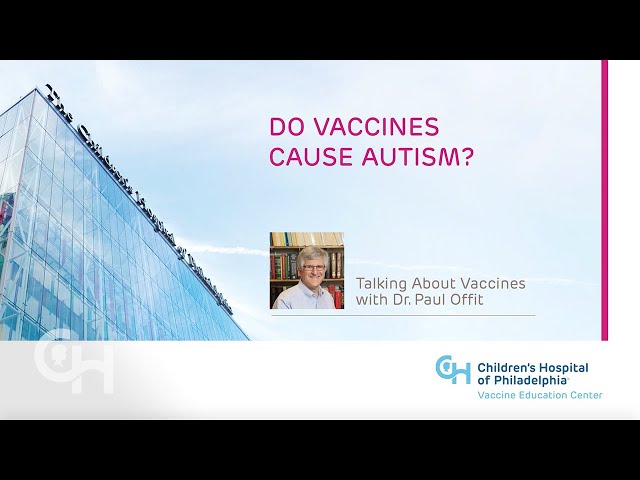
Paul A. Offit, MD, of the Children’s Hospital of Philadelphia, discusses common concerns related to vaccines and autism and reviews some of the scientific studies.

In addition to print materials, Immunize.org periodically records live webinars and produces or shares short educational videos related to immunization. These webinars and videos reflect current information at the time they were recorded.
Paul A. Offit, MD, of the Children’s Hospital of Philadelphia, discusses common concerns related to vaccines and autism and reviews some of the scientific studies.
There is almost no topic in health and health policy that immediately polarizes people more than the idea that vaccines cause autism. Even though the original big paper on this topic came out at the end of the last century, the anger this causes is still raw and potent. But there is a very, very large amount of research showing that vaccines and autism are unrelated.
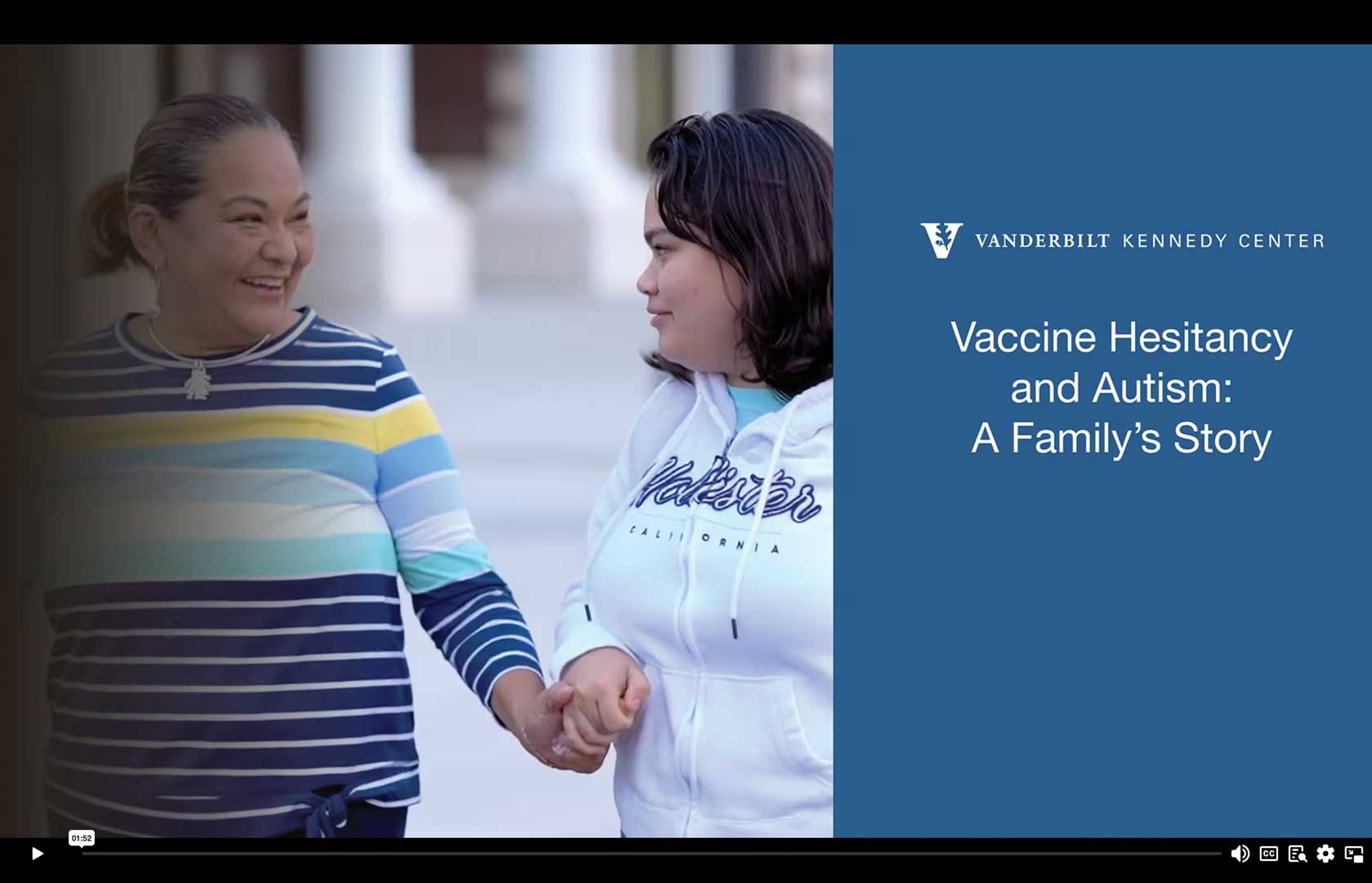
In this video from the Vanderbilt Kennedy Center for Excellence in Developmental Disabilities, a parent of a child with autism shares her family’s story of educating themselves on vaccine safety and addresses additional concerns present in the Hispanic community.
Ever wonder whether vaccines weaken a baby’s immune system? Dr. Lori Handy says, “The short answer is, absolutely no” and goes on to explain why.
From the Vaccine Education Center (VEC), Children’s Hospital of Philadelphia, Dr. Paul A. Offit discusses why aluminum is in vaccines and the safety of those small amounts.
In this CBC “Marketplace” special report, two moms go undercover with hidden cameras and visit five homeopaths in Toronto and Vancouver. They are told vaccines cause autism and that vaccine-preventable diseases are unusual and harmless. The moms are encouraged not to vaccinate their infants. (Canadian Broadcasting Corp.)
Kelly Moore answers the question: What do we know about the safety and effectiveness of Moderna and Pfizer-BioNTech mRNA COVID-19 vaccines in the youngest children?
Kelly Moore answers the question: Can COVID-19 vaccination lead to fertility problems?
Kelly Moore answers the question: If a child without any high-risk conditions received a dose of meningococcal ACWY, or menACWY vaccine (brand names Menactra, MenQuadfi, or Menveo) at age 10 years, does the child need to be revaccinated at age 11–12 years?
Kelly Moore answers the question: Several healthy adult college students from outside the U.S. (ages 24 years and older) presented to our clinic. They will be living in a residence hall. None have a record of having received vaccination against meningococcal ACWY disease. Should they receive a dose of MenACWY now?