

- “Effectiveness of Diphtheria and Tetanus Toxoids and Acellular Pertussis Vaccine in Children Aged 6 Months–6 Years During a Statewide Pertussis Outbreak—Alaska, May–November 2024” published in MMWR
- Immunize.org reviews and updates Ask the Experts web section on influenza
- Immunize.org updates two resources on diluents and route of administration
- Immunize.org updates "When Do Children and Teens Need Vaccinations?" resource
- Immunize.org updates two MenACWY resources for clinicians with updated MenQuadfi age indication
- World Polio Day is October 24; help bring us one step closer to a polio-free world
- Respiratory diseases: Influenza continues its early rise nationwide. Colorado reports first child influenza-associated death of the season.
- Measles 2026: Sharp increase in cases, as Johns Hopkins University reports 4,603 confirmed cases; Pennsylvania reports its sixth measles-associated death
- “Does Someone Who Has Had Tetanus Illness Need Tetanus Vaccination?” New in the Ask the Experts Video Series on YouTube.
- “A trusted source of clarity, honesty, and insight”: Immunize.org remembers respected infectious-disease journalist Helen Branswell
- Vaccines in the news
- NFID launches Measles Collaborative website to help clinicians respond to ongoing outbreaks
- CHOP’s Vaccine Education Center releases new video on severe and lesser-known measles outcomes
- From the Immunize.org shop! Laminated VIS QR code tables deliver CDC VISs directly to your patients’ smartphones (Spanish translation available).
- “Quadrivalent Human Papillomavirus Vaccination Before Pregnancy and Pregnancy Outcomes: Nationwide, Population Based Case-Control Study” published in British Medical Journal
- “Real-World Evidence on Maternal RSV Vaccination Uptake, Effectiveness, and Safety: A Systematic Review and Meta-Analysis” published in Lancet Regional Health Europe
- Virtual: ScienceKind hosts webinar titled “Measles in Pennsylvania: How Did We Get Here?” with Dr. Paul Offit on October 29 at 12:30 p.m. (ET)
- Virtual: North Dakota State University Center for Immunization Research and Education hosts webinar titled “Connecting Care and Prevention: The Nurse’s Role in Immunization” on November 5 at 1:00 p.m. (ET); CME and CPE credit offered
- Register for Immunize.org Website Office Hours. Join a 30-minute discussion about the VIS web section on November 11 at 4:00 p.m. (ET) or November 12 at 12:00 p.m. (ET). Recorded sessions archived.
CDC published Effectiveness of Diphtheria and Tetanus Toxoids and Acellular Pertussis Vaccine in Children Aged 6 Months–6 Years During a Statewide Pertussis Outbreak—Alaska, May–November 2024 on October 15 in MMWR. A portion of the summary appears below.
After a period of low U.S. pertussis incidence during and immediately after the COVID-19 pandemic, incidence increased in 2024. . . .
During a 2024 statewide Alaska pertussis outbreak, a matched case-control analysis found that unvaccinated children aged 6 months–6 years had approximately 26 times the odds of having laboratory-confirmed pertussis compared with children who had completed the 3-dose diphtheria and tetanus toxoids and acellular pertussis (DTaP) primary vaccination series ≥2 weeks before specimen collection. The overall adjusted vaccine effectiveness among children who had received ≥3 DTaP doses was 96.2%. . . .
Pertussis vaccination is effective in preventing laboratory-confirmed pertussis in young children. These real-world effectiveness findings support adherence to published pertussis vaccination recommendations to ensure strong protection.
Access the MMWR article in HTML or PDF.
Related Link
- CDC: MMWR main page providing access to the MMWR family of publications
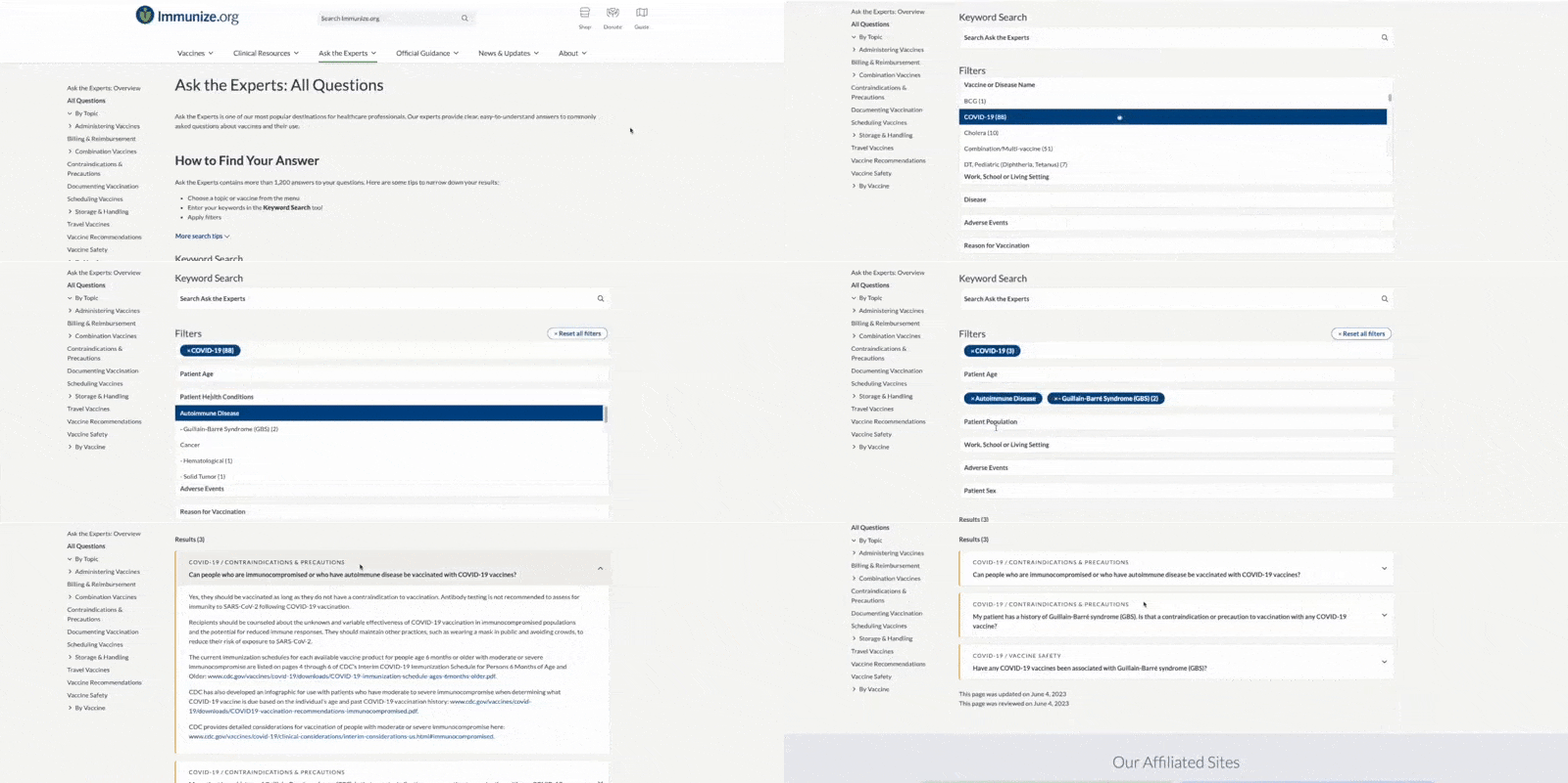
Immunize.org updated its Ask the Experts web section for influenza vaccination. Answers now reflect current recommendations for the 2026–27 season from the American Academy of Pediatrics (AAP), American Academy of Family Physicians (AAFP), American College of Obstetricians and Gynecologists (ACOG), and Infectious Diseases Society of America (IDSA), and updated clinical considerations from CDC.

Immunize.org's Ask the Experts main page leads you to 30 distinct web sections on dozens of topics with more than 1,300 common or challenging questions and answers about vaccines and their administration. Immunize.org's team of experts includes Kelly L. Moore, MD, MPH (team lead); Carolyn B. Bridges, MD, FACP; Iyabode Beysolow, MD, MPH; and Jane R. Zucker, MD, MSc.
Related Links
- Immunize.org: Ask the Experts: Influenza main page
- Immunize.org: Ask the Experts main page to access more than 1,300 questions and answers in narrative or video format
- Immunize.org: View All Video Questions, 91 quick videos of individual questions and answers found in Ask the Experts; use filters to narrow choices
- Immunize.org: Orientation Video Series: Introducing Ask the Experts (3:36) Dr. Kelly Moore introduces the Ask the Experts section; also available for mobile devices
- Immunize.org: Website Office Hours: Ask the Experts (29:31) provides in-depth guidance for navigating the Ask the Experts section of the website
Immunize.org recently updated two clinical resources. Because the last available doses of the discontinued Dengvaxia dengue vaccine expired, dengue vaccine references were removed. Edits include:
- How to Administer Intramuscular and Subcutaneous Vaccine Injections: Administration by the Intramuscular (IM) Route: Dengvaxia removed, additional details included in the table for needle-length selection in adults, and detail added about vaccination route options for mpox vaccine
- Vaccines with Diluents: How to Use Them: Dengvaxia removed


Related Links
- Immunize.org: Clinical Resources: Storage & Handling main page
- Immunize.org: Clinical Resources: Administering Vaccines main page
- Immunize.org: Clinical Resources A–Z main page, where you can filter by topic, vaccine, language, or other criteria
Immunize.org updated When Do Children and Teens Need Vaccinations?, a simple table for families about the vaccination schedule. Revisions include removing dengue vaccine (no longer available in the United States) and modifying footnotes on COVID-19, RSV, and HPV vaccines. COVID-19 vaccine is shown as routinely recommended for all children age 6 through 23 months, beginning with a 2-dose initial series.

Related Links
- Immunize.org: Clinical Resources: Schedules for Patients main page
- Immunize.org: Clinical Resources: Adolescent Vaccination main page
- Immunize.org: Clinical Resources A–Z main page, where you can filter by topic, vaccine, language, or other criteria
Immunize.org updated two MenACWY resources. They now reflect the American Academy of Pediatrics (AAP) September 2026 revised recommendation for use of MenQuadfi (Sanofi) as an option when MenACWY vaccination is indicated for an infant at high risk of meningococcal disease, beginning as early as age 6 weeks. This revised recommendation was made after the 2025 change in the minimum FDA-licensed age. The lyophilized formulation of Menveo (GSK) is FDA-approved beginning at age 2 months. The updated resources include:
- Meningococcal ACWY Vaccine Recommendations by Age and Risk Factor
- Standing Orders for Administering Meningococcal ACWY Vaccine to Children and Teens


Related Links
- Immunize.org: Vaccines A–Z: Meningococcal ACWY main page
- Immunize.org: Clinical Resources: Adolescent Vaccination main page
- Immunize.org: Clinical Resources A–Z main page, where you can filter by topic, vaccine, language, or other criteria
World Polio Day, organized by End Polio Now and Rotary International, is observed on October 24. It is a day for everyone who wants a world free from polio to come together, recognize progress, and talk about actions needed to end polio for good.
The fight to end polio began more than 70 years ago with the creation of a vaccine which brought an outpouring of excitement and relief to families who feared this disease. The newspaper clipping below from 1955 features Immunize.org’s Dr. Kelly Moore’s aunt, the future Renee Joseph Kennedy, a polio survivor from Alabama, wearing leg braces and looking on as her mother signed a consent form to enable her sister to receive the new Salk vaccine as soon as it became available nationwide. Her polio experience helped inspire Dr. Moore’s career in vaccines.

Poliomyelitis is a highly infectious disease. The virus spreads through the feces of infected people, who usually have no symptoms. It can attack the nervous system and, in some cases, lead to paralysis. There is no cure, but there are safe and effective vaccines to prevent it. Rotary and its partners used it to vaccinate more than 2.5 billion children worldwide.
Learn about the childhood polio vaccination schedule by watching the 1-minute episode Four Doses of Polio Vaccine Before Age 4. Booster Needed? from Immunize.org's Ask the Experts Video Series.
Beginning in 2023, CDC and the American Academy of Family Physicians (AAFP) recommended that adults known or suspected to be unvaccinated or incompletely vaccinated against polio complete a 3-dose primary series of IPV. Learn more by watching the 2-minute episode Polio Vaccination of Adults from Immunize.org's Ask the Experts Video Series.

To encourage sharing information, the World Polio Day Resources web page links to videos, social media tools, educational materials, posters, and more. Use hashtag #EndPolio when sharing social media posts.
Related Links
- End Polio Now and Rotary International: World Polio Day web page
- End Polio Now and Rotary International: Resource Center web page
- CDC: Polio Vaccination web page
- AAP: Polio & Vaccines to Prevent Paralytic Polio web page
- Immunize.org: Vaccines A–Z: Polio main page
Respiratory diseases: Influenza continues its early rise nationwide. Colorado reports first child influenza-associated death of the season.
In the United States, for the week reported on October 16, influenza activity remains low nationally but has been rising since late August.
On October 14, the Colorado Department of Public Health and Environment (CDPHE) publicly announced the state's first childhood influenza-associated death of the season. CDPHE said the elementary-aged child was from outside the Denver metro area. There is no record that the child received this season's vaccine. Due to the timing of the report, the death is not yet recorded on CDC’s FluView website.
Vaccination takes 2 weeks to induce immunity, so vaccinate now. Influenza vaccination offers an opportunity to receive other vaccinations that are due or to make a plan to receive other respiratory vaccines that may be needed, such as COVID-19, pneumococcal, and RSV vaccines.
COVID-19 vaccination is recommended annually for all adults, children age 6 months through 23 months, and older children who are immunocompromised, have other high-risk conditions, live with people with high-risk conditions, or who simply want to be vaccinated. Remember that adults who previously received RSV vaccine are not recommended to receive another dose.
The map below shows the general levels of influenza-like illness activity across the states as of October 10.

During the week ending October 10, 5.0% of clinical lab specimens tested positive, up from 3.9% the week before. Nearly all positives were influenza A(H1N1). The graph below illustrates the early rise in the number of specimens positive for influenza and the increasing influenza activity.

Respiratory Illness Data Channel
CDC's Respiratory Illness Data Channel web page shows a snapshot of the amount of acute respiratory illness (ARI) causing people to seek health care in the United States. Local data are available by state or territory and by county. CDC reports:
- COVID-19: activity remains elevated in some regions but is declining nationally
- RSV: activity remains very low in most areas of the country
How to Find a Vaccine
VaccineInformation.org, Immunize.org's website designed for the general public, offers the Where to Get Vaccinated web page. On this page, you will find directories and vaccine finder tools published by various organizations, including manufacturers. These tools make it easier to find and obtain vaccines in your local area.
Those who may have used or promoted the federal website Vaccines.gov, to locate vaccination sites in the past should be aware that it is not functional, and its Spanish-language counterpart, Vacunas.gov, is no longer available.
Related Links
- CDC: Weekly National Flu Vaccination Dashboard main page
- CDC: FluView main page
- CDC: RESP-NET main page
- Immunize.org: Clinical Resources: Seasonal Vaccines (Influenza, RSV, COVID-19) main page
As of October 16, 2026, the U.S. Measles Tracker, operated by Johns Hopkins University (JHU), reported a large jump in cases over the previous week, to 4,603 measles cases for 2026. Through October 16, 2026, CDC reported 4,410 confirmed cases.
Measles-Associated Deaths in Pennsylvania
Officials in Franklin County, Pennsylvania, reported the state’s sixth measles-associated death of 2026. The patient was a 39-year-old unvaccinated woman with multiple underlying health conditions and a recent measles diagnosis. Her death was attributed to a probable cardiac event from measles complications. Pennsylvania's five previous deaths for 2026 were two infants, an 18-year-old with a rare neurologic complication, a 20-year-old undergoing chemotherapy for leukemia, and a 40-year-old with asthma and COPD. Pennsylvania leads the nation in measles cases, with about two-thirds of the reported cases there in adults. Pennsylvania presumes a substantial number of cases have not been reported, due to milder cases in the heavily affected Amish community being cared for at home and not coming to medical attention.
SSPE in the Philippines
A new report in Emerging Infectious Diseases describes 20 children in the Philippines hospitalized from 2007 to 2022 with subacute sclerosing panencephalitis (SSPE). SSPE is a rare, almost always fatal brain disease that develops years after apparent recovery from measles. Among the 19 children in the study with an estimated infection age, ten contracted measles before age 9 months, when they were too young for routine vaccination in the Philippines. Because SSPE appears years after infection, the authors note that more cases may follow the Philippines’ large 2018–19 outbreak, which occurred as first-dose vaccination rates fell from 92% to 64%. They call for stronger surveillance and sustained 2-dose measles vaccination.
- CDC: Measles Cases and Outbreaks main page
- Immunize.org: Vaccines A–Z: Measles main page
- LetsGetRealAboutVaccines.org: Measles web page
- CDC: Be Ready for Measles Toolkit
- AAP: Immunization Facts for Families (MMR) (PDF)
“Does Someone Who Has Had Tetanus Illness Need Tetanus Vaccination?” New in the Ask the Experts Video Series on YouTube.
This week, our featured episode from the Ask the Experts Video Series is titled Does Someone Who Has Had Tetanus Illness Need Tetanus Vaccination? The video explains that having tetanus doesn’t create immunity, because the tiny amount of toxin that causes illness is not enough to trigger a robust immune response. An unvaccinated person age 7 years or older who recovers from tetanus should start the 3-dose primary series: Tdap first, Td or Tdap 4–8 weeks later, and a third dose at least 6 months after the second. After that, a Td or Tdap booster is recommended every 10 years.
The 1-minute video is available on our YouTube channel, along with our full collection of quick video answers to popular Ask the Experts questions.

Like, follow, and share Immunize.org’s social media accounts and encourage colleagues and others interested in vaccination to do likewise.
- Facebook at ImmunizeOrg
- Instagram at ImmunizeOrg
- LinkedIn at ImmunizeOrg
- YouTube at ImmunizeOrg
- Immunize.org: Ask the Experts: all tetanus-related video questions (3 videos)
Helen Branswell, STAT’s infectious disease reporter, died on October 13 at age 69. For more than two decades, first at the Canadian Press and then at STAT, she reported on topics such as influenza, polio, Ebola, COVID-19, and vaccine development. Many IZ Express readers read her articles, which were frequently featured in our Vaccines in the News section. Experts associated with Immunize.org were interviewed by her regularly. Tedros Adhanom Ghebreyesus, the director-general of WHO, told STAT, “At a moment when misinformation competes with facts, her reporting was a trusted source of clarity, honesty, and insight.”
Her honors included the George Polk Award for her COVID-19 reporting and the Kovler Prize for Trust in Life Science Journalism. Fully dedicated to her work, her colleagues noted that the day before she died, she shared new data on maternal RSV vaccine uptake with them from her hospital bed, expressing concern that uptake had not been higher.
We are grateful for Helen’s vital role as an exceptional science journalist within the public health community, helping her readers understand vaccines and the diseases they prevent.
Read STAT's obituary for Helen Branswell.

These recent articles convey the potential risks of vaccine-preventable diseases and the importance of vaccination.
- Washington Post: These 4 Routine Vaccines May Also Help Protect Your Heart (10/18/26)
- CIDRAP: A Vaccine Injury Initiative, a Contested Hepatitis B Trial, and Edited CDC COVID-19 Vaccine Guidance: The State of U.S. Vaccine Policy (10/15/26)
- KFF: How Is The Federal Government Counting Measles Deaths? (10/15/26)
- The Guardian: Guinea-Bissau Denies It Has Approved Controversial Vaccine Trial in Newborns (10/14/26)
- Wrexham.com: Mum Whose Baby Spent Christmas in Hospital Urges RSV Vaccination (10/14/26)
- The Guardian: ‘I Want to Do Everything I Can to Head Off Dementia’: Why Demand for the Shingles Vaccine Is Soaring (10/11/26)

Our website, Let’sGetRealAboutVaccines.org, is a parent-friendly platform that delivers factual vaccine guidance. It equips both families and providers with tools to discuss childhood vaccination.
This week we spotlight the Learn About Children’s Vaccines section of this website. Found at the first menu tab, this section offers clear information to help families separate fact from fiction and to learn why most parents make sure their children receive vaccines.

The main page summarizes the protection childhood vaccines offer and provides links to additional information. Five additional pages are available from this page and from the menu:
- Vaccine-Preventable Diseases: details about illnesses and corresponding vaccines, including information on their effectiveness and possible side effects
- Vaccine Safety: insights into how vaccines are developed, as well as safety evaluation and reporting
- Vaccine Science: explanations of how the human immune system and vaccines work
- Vaccination Schedule: guidance on when children should receive specific vaccines and how the vaccine schedule is developed
- Common Questions: answers to parents’ frequently asked questions
Please share these links to LetsGetRealAboutVaccines.org with anyone looking for credible, unbiased information about childhood vaccines. This website is also available in Spanish.
To learn simple tips and tricks for using the website efficiently, view the archived Website Office Hours: Let's Get Real About Vaccines website webinar for more information.
Recap: Immunize.org posts 2026–27 COVID-19 vaccine standing orders templates and updates “Checklist of Current Versions of U.S. COVID-19 Vaccination Guidance and Clinic Support Tools”
Immunize.org continues to update its resources to support fall respiratory virus vaccination providers. Two new standing orders templates for administering 2026–27 COVID-19 vaccine are now available:
- Standing Orders for Administering 2026–2027 COVID-19 Vaccine to Children 6 Months Through 18 Years
- Standing Orders for Administering 2026–2027 COVID-19 Vaccine to Adults 19 Years and Older
This season, Immunize.org’s two COVID-19 standing orders templates are organized by age; each template incorporates all available products. They are based on the recommendations of the American Academy of Pediatrics (AAP), the American Academy of Family Physicians (AAFP), and the American College of Obstetricians and Gynecologists (ACOG). Supplemental information from CDC’s updated interim clinical considerations is also included as needed.
The standing orders templates advise referring for clinical evaluation people who are moderately or severely immunocompromised. Vaccination is recommended for this population. However, the Infectious Diseases Society of America (IDSA) guidelines for COVID-19 vaccination provide several individualized clinical considerations around timing and numbers of doses not adaptable to a routine standing order. CDC posts current dosing tables and schedules for adults and children who are moderately or severely immunocompromised. Immunize.org plans a separate job aid reproducing the CDC dosing tables for this population to assist those who serve them.
Immunize.org also updated its Checklist of Current Versions of U.S. COVID-19 Vaccination Guidance and Clinic Support Tools. Download this checklist now to ensure you are using the latest resources for the 2026–27 season. The checklist includes revision dates and links to the new standing orders, current AAP, AAFP, ACOG, and IDSA recommendations, and other essential 2026–27 resources.
Featured Resources
The NFID launched a website for its Measles Collaborative, a partnership of medical societies, public health organizations, and measles experts working to strengthen measles prevention, response, and education. The Collaborative was established after the Measles Summit convened by NFID in partnership with the Infectious Diseases Society of America in May 2026.

At the 2026 Measles Summit, participants identified where clearer guidance, practical resources, and coordinated effort could make the most difference. The Measles Collaborative coordinates five workgroups:
- Outbreak response and public health: helping public health agencies and community partners assess needs, respond to outbreaks, and reach affected populations
- Exposure and infection prevention and control: clarifying how exposures are assessed and how healthcare settings prevent and control transmission, including exposure windows and care of exposed infants
- Clinical care: supporting clinicians in recognizing, diagnosing, and managing measles, particularly in infants, pregnant patients, immunocompromised patients, and people with serious complications
- Communication and education: helping clinicians and trusted messengers talk about measles and vaccination, and making information easier to share with communities
- Evidence and research: compiling a peer-reviewed journal supplement drawing on clinical and public health expertise, and identifying questions that need further study
Organizations can join as partners. Individuals can sign up for monthly updates to learn when new resources are posted.
Related Links
- NFID: Measles Collaborative main page
- NFID press release: NFID Announces Launch of Measles Collaborative and Appointment of Executive Director web page
- Immunize.org: Vaccines A–Z: Measles main page
Children's Hospital of Philadelphia's (CHOP) Vaccine Education Center (VEC) released a new video in its Vaccines and Infectious Diseases in the News series. Featuring Paul A. Offit, MD, it is titled 3 Severe, and Lesser Known, Outcomes of Measles Infection. In the video, Offit outlines three common causes of hospitalization and death from measles: pneumonia, dehydration, and encephalitis. He then details three lesser-known severe outcomes of measles.

A list of web links to CHOP VEC measles resources accompanies the video.
From the Immunize.org shop! Laminated VIS QR code tables deliver CDC VISs directly to your patients’ smartphones (Spanish translation available).
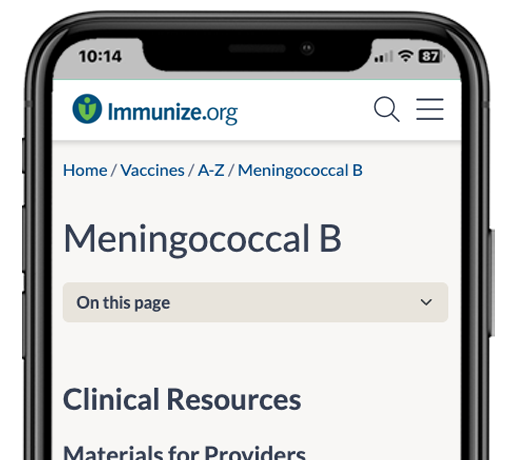
VISs explain both risks and benefits of vaccination. Federal law requires you to document provision of CDC’s current VIS before administering any vaccine included in the Vaccine Injury Compensation Program. CDC recommends VISs accompany other vaccines, too. An easy, paperless way to comply with the law is for patients to scan a QR code and access the VIS from a smartphone or tablet. Immunize.org assembled a table with QR code links to all VISs and the Immunization Information Statement for RSV preventive antibody. The table is now available for purchase as a durable, laminated poster.
These tables belong in any room where vaccinations are given.
Learn more in our 2-minute Laminated VIS QR Code Tables video. The video is available in the Immunize.org shop and on our YouTube channel.

Pricing (includes all shipping and handling costs)
| Laminated CDC VIS QR Code Table (English) | Bundle: Laminated CDC (English) + Spanish Translation VIS QR Code Tables (includes 1 CDC VIS table and 1 table of translations) |
| 1 copy: $14.00 | 1 bundle: $20.00 |
| 2 copies: $9.00 each | 2 bundles: $16.00 each |
| 3–4 copies: $6.50 each | 3–4 bundles: $12.00 each |
| 5–9 copies: $5.00 each | 5–9 bundles: $8.50 each |
| 10–19 copies: $4.00 each | 10–19 bundles: $7.00 each |
| 20–59 copies: $3.00 each | 20–59 bundles: $6.00 each |
| 60+ copies: $2.50 each | 60+ bundles: $5.00 each |
Visit the Shop Immunize.org: Laminated VIS QR Code Tables web page to view images and order today! For additional information, call 651-647-9009 or email admininfo@immunize.org.
In its October 7 issue, the British Medical Journal published Quadrivalent Human Papillomavirus Vaccination Before Pregnancy and Pregnancy Outcomes: Nationwide, Population Based Case-Control Study. The study measured statistically significant differences in pregnancy outcomes, with reduced preterm births and related conditions among women vaccinated against HPV, especially when vaccinated at earlier ages. Portions of the abstract appear below.
Setting Population of Sweden, from 1 January 2006 to 31 December 2023.
Participants 624 713 singleton births among nulliparous women aged 16-35 years in Sweden between 2006 and 2023; 92 620 (14.8%) women had received quadrivalent human papillomavirus vaccination before pregnancy. . . .
Results After adjustment for confounders, quadrivalent human papillomavirus vaccination was associated with lower odds of all included adverse pregnancy outcomes. Statistically significant associations were observed for preterm birth (<37 weeks) . . . very preterm birth (28 weeks to 31 weeks) . . . spontaneous preterm birth . . . preterm prelabour rupture of membranes . . . and severe small for gestational age infant . . . Risk reduction was generally more pronounced among women vaccinated at younger ages.
Conclusions Quadrivalent human papillomavirus vaccination before pregnancy was associated with a lower risk of adverse pregnancy outcomes, particularly among women vaccinated at earlier ages, extending benefits of human papillomavirus vaccination beyond cancer prevention.

Related Link
- Medpage Today: Study Finds Lower Pregnancy Risks in HPV-Vaccinated Women (10/12/26)
In its October 7 issue, the Lancet Regional Health Europe published Real-World Evidence on Maternal RSV Vaccination Uptake, Effectiveness, and Safety: A Systematic Review and Meta-Analysis. For context, readers should note that U.S. recommendations offer all parents a choice of protecting their infant from RSV through maternal vaccination or infant immunization with RSV preventive antibody product. Unlike the United States, the United Kingdom relies on maternal vaccination against RSV for protection of infants not at high risk. RSV preventive antibodies are offered only to select infants at high risk of severe RSV disease. Portions of the summary appear below.
The pooled vaccine effectiveness against RSV-associated LRTI [lower respiratory tract infection] hospitalisation in infants younger than six months was 73.6% . . . based on four studies including 2478 infants. Regarding safety, no significant association was identified between vaccination at 32–35 weeks of pregnancy and preterm birth (. . . 16,394 pregnancies in 3 studies). . . .
. . . Efforts to increase uptake and reduce disparities will be essential to maximise the benefits of maternal RSV vaccination.

Related Link
- CIDRAP: Maternal RSV Vaccine Is Effective, but Few Women Opt for It, New Data Reveal (10/12/26)
ScienceKind will host a webinar titled Measles in Pennsylvania: How Did We Get Here? at 12:30 p.m. (ET) on October 29. Pennsylvania is currently experiencing the largest epidemic of measles in more than 35 years against a disease the United States had officially eliminated by 2000. During this webinar, Paul Offit, MD, director of the Vaccine Education Center, Children's Hospital of Philadelphia, will speak on the state of measles in Pennsylvania.
The webinar will be archived on ScienceKind.com.
Register for the webinar.
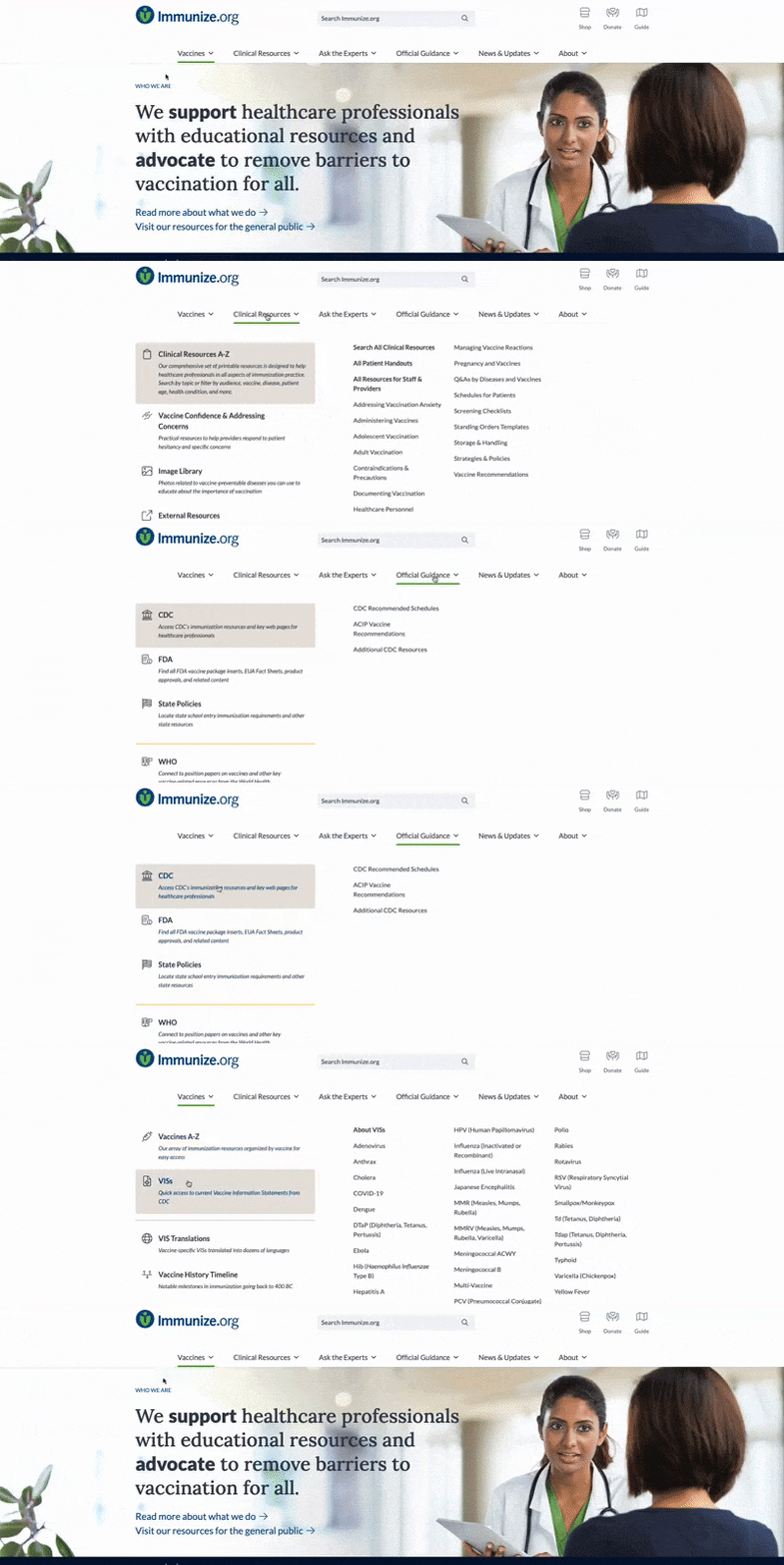
Virtual: North Dakota State University Center for Immunization Research and Education hosts webinar titled “Connecting Care and Prevention: The Nurse’s Role in Immunization” on November 5 at 1:00 p.m. (ET); CME and CPE credit offered
The North Dakota State University Center for Immunization Research and Education will host a webinar titled Connecting Care and Prevention: The Nurse’s Role in Immunization at 1:00 p.m. (ET) on November 5. In this webinar, Tabitha Hanson, DNP, MPH, public health nurse, will discuss how nurses can identify community immunization gaps, design culturally responsive strategies that advance equity, build vaccine confidence through skilled communication and education, and lead collaborative, advocacy-driven efforts that strengthen public health outcomes.
This activity is approved for free CME and CPE credit.

Register for the webinar.
To learn simple tips and tricks for using our websites efficiently, please register for our next set of Website Office Hours on Wednesday, November 11, at 4:00 p.m. (ET) or Thursday, November 12, at 12:00 p.m. (ET). The same content will be discussed in both sessions.
We will open each 30-minute session with a short, live demonstration on navigating the popular VIS website section on Immunize.org. You can submit questions when you register or live on Zoom during the session.

Register today for Immunize.org Website Office Hours (content is the same for both):
The archive of previous Website Office Hours content is posted at Immunize.org’s "Webinars & Videos" page. Shorter, demonstration-only recordings of previous Website Office Hours are also available in our Website Training Videos series.
Mark your calendar for future Immunize.org Website Office Hours.
For more upcoming events, visit our Calendar of Events.
About IZ Express
IZ Express Disclaimer
ISSN 2771-8085
Editorial Information
-
Editor-in-ChiefKelly L. Moore, MD, MPH
-
Managing EditorJohn D. Grabenstein, RPh, PhD
-
Associate EditorSharon G. Humiston, MD, MPH
-
Writer/Publication CoordinatorTaryn Chapman, MS
Courtnay Londo, MA -
Style and Copy EditorMarian Deegan, JD
-
Web Edition ManagersArkady Shakhnovich
Jermaine Royes -
Technical ReviewerKayla Ohlde