

- “Interim Estimates of 2025–26 Seasonal Influenza Vaccine Effectiveness—United States, September 2025–February 2026” published in MMWR
- Measles updates: “Measles Outbreak—New Mexico, 2025” published in MMWR; new CDC resources with checklist of actions to take in the first 10 minutes
- Adolescent Immunization Action Week is April 6–10; Unity Consortium posts toolkit to help you prepare
- FDA launches dashboard called Adverse Event Monitoring System (AEMS) to display data from multiple reporting systems, including vaccine adverse events
- Immunize.org's Influenza Vaccination Honor Roll for healthcare worker vaccination requirements welcomes one new facility
- Influenza, RSV, and COVID-19 all circulating. Keep immunizing.
- “Why Is Influenza Vaccination Important for Healthcare Professionals?” See this 1-minute video, part of the Ask the Experts Video Series on YouTube.
- Vaccines in the news
CDC published Interim Estimates of 2025–26 Seasonal Influenza Vaccine Effectiveness—United States, September 2025–February 2026 on March 12 in MMWR. Thirty- to forty-percent reductions in hospitalization provided meaningful benefit despite differences between the dominant circulating “subclade K” strain of type A/H3N2 virus and the H3N2 vaccine virus. A portion of the summary appears below.
CDC routinely monitors influenza vaccine effectiveness (VE). Annual influenza vaccination is available for all eligible persons aged ≥6 months. . . .
Interim 2025–26 seasonal influenza VE estimates were derived from three U.S. VE networks. Among children and adolescents, VE was 38%–41% against influenza-associated outpatient visits and 41% against influenza-associated hospitalization. Among adults aged ≥18 years, VE was 22%–34% against influenza-associated outpatient visits and 30% against influenza-associated hospitalization. . . .
Receipt of a 2025–26 influenza vaccine reduced the risk for influenza-associated outpatient visits and hospitalizations. These findings support CDC’s influenza vaccination recommendations.
Access the MMWR article in HTML or PDF.
CDC also published Interim Estimates of 2025–26 Seasonal Influenza Vaccine Effectiveness—California, October 2025–January 2026 on March 12 in MMWR, emphasizing the value of state collected data. This analysis showed “interim VE against any influenza was 33% for all age groups, 39% for children and adolescents aged 6 months–17 years, and 22% for adults aged ≥65 years; VE was 32% against a positive influenza A test result, and 47% against a positive influenza B test result.” This report did not describe effect on hospitalization rates.
In related news, on March 12, FDA’s Vaccines and Related Biological Products Advisory Committee (VRBPAC) met to recommend the influenza strains to include in the 2026–27 season influenza vaccine. They recommended the same three strains recommended 2 weeks earlier by WHO, including an A/H3N2 subclade K strain.
Related Links
- CDC: MMWR main page providing access to the MMWR family of publications
- FDA: Influenza Vaccine Composition for the 2026–2027 U.S. Influenza Season
Measles updates: “Measles Outbreak—New Mexico, 2025” published in MMWR; new CDC resources with checklist of actions to take in the first 10 minutes
As of March 12, 30 states reported 1,362 confirmed measles cases to CDC in 2026, including 14 new outbreaks. To highlight the work of one state to extinguish its 2025 outbreak, CDC published Measles Outbreak—New Mexico, 2025 on March 12 in MMWR. A portion of the summary appears below.
High 2-dose measles vaccination coverage provides the best protection against measles. A measles outbreak that began in west Texas in January 2025 spread to other jurisdictions, including New Mexico, a large, rural state where 99 outbreak-related measles cases occurred during February–August. . . .
To increase population immunity and interrupt transmission, the New Mexico Department of Health implemented a comprehensive public messaging strategy and enhanced access to measles, mumps, and rubella (MMR) vaccines statewide. This coincided with a 55% increase in MMR vaccine doses administered during January–September 2025 compared with the same period during 2024.

Access the MMWR article in HTML or PDF.
Due to suboptimal vaccination coverage, the number of U.S. measles cases, and the number of U.S. states affected to date in 2026, measles outbreaks are anticipated to continue at increased frequency. To help public health and healthcare professionals prepare for this, CDC recently added new resources to its Be Ready for Measles toolkit to help with the initial response to a suspect measles case. Two of the checklists discuss what facilities should do in the first 10 minutes after suspecting someone has measles.
- Preparing and Responding to Measles: Checklist for Correctional Facilities
- Preparing and Responding to Measles: Checklist for Institutions of Higher Education
- Preparedness Checklist for Public Health: Measles Clusters and Outbreaks


Related Links
- AAP: Fact Checked: The MMR (Measles, Mumps and Rubella) Vaccine Is Safe and Effective web page
- CDC: Measles Cases and Outbreaks main page
- CDC: Be Ready for Measles toolkit
- Johns Hopkins International Vaccine Access Center: U.S. Measles Tracker
- Government of Canada: Measles and Rubella Weekly Monitoring Report
- Immunize.org: Vaccines A–Z: Measles main page
Adolescent Immunization Action Week is April 6–10; Unity Consortium posts toolkit to help you prepare
Observed April 6–10 this year, Adolescent Immunization Action Week (#AIAW26) urges parents, healthcare providers, and adolescents to start the conversation about the vaccines adolescents need to keep their health on track.

Unity’s Partner Toolkit includes ready-to-use graphics, social media templates, sample newsletters, posters, and flyers to support this goal. Resources can be customized and co-branded to meet your needs.
Among these resources is a video public service announcement (PSA) conveying that, while parenting teens can be complicated, supporting their health need not be. You can watch, download, and share the PSA video via the linked graphic below.

Visit Unity’s AIAW campaign page for social media-ready materials to draw attention to improving coverage. Use the hashtag #AIAW26 to spread the word.
On March 11, FDA launched its Adverse Event Monitoring System (AEMS), a single platform for displaying data on adverse events reported to the FDA for a wide array of products, including vaccines, drugs, biologics, cosmetics, and animal foods. Ultimately, FDA intends to consolidate adverse event reporting for all FDA-regulated products in this single system.
FDA announced that the AEMS platform will replace the current Vaccine Adverse Event Reporting System (VAERS) process for reporting. In the meantime, VAERS remains active and should continue to be used to report adverse events after vaccination until a new system is announced.

FDA’s announcement states that AEMS will eventually display adverse event reports on its dashboard as they are reported (“in real time”), rather than the current practice of updating searchable databases quarterly.
These data are susceptible to misuse and misinterpretation. VAERS (and AEMS) contain duplicate reports. These reports are unverified. VAERS and AEMS reports and statistics do not constitute evidence of cause-and-effect relationships between products and adverse events. One cannot calculate rates of adverse events from these unverified adverse event reports. These systems are valuable because patterns or individual reports can signal important questions about relationships that can be evaluated and answered through other safety systems and studies.
IZ Express will share information as more is known about AEMS and updates to vaccine adverse event reporting procedures as they become available.
- FDA: FDA Launches New Adverse Event Look-Up Tool (3/11/26)
- FDA: FDA Adverse Event Reporting System (FAERS) Public Dashboard: Frequently Asked Questions
- CIDRAP: FDA Announces AEMS, New Adverse-Event Database to Replace VAERS (3/12/26)
Immunize.org's Influenza Vaccination Honor Roll for healthcare worker vaccination requirements welcomes one new facility
Immunize.org's Influenza Vaccination Honor Roll recognizes facilities that take a stand for patient safety by implementing policies requiring vaccination for healthcare personnel. Immunize.org recently welcomed one additional healthcare organization.
- New Jersey Firemen's Home, Boonton, NJ

Eligibility
- Eligible organizations: hospitals, long-term care facilities, medical practices, pharmacies, professional organizations, health departments, and other government entities
- Requirements:
- Your policy must require influenza vaccination for all staff
- The application must describe measures to prevent transmission of influenza from unvaccinated personnel to patients (e.g., masking for the entire shift)
- Immunize.org: Honor Roll Honorees: Influenza
- About the Influenza Vaccination Honor Roll
Nationwide respiratory virus activity reported by CDC is highlighted below.
- Influenza (data through March 7):
- Seasonal influenza activity remains elevated across the country, with high or very high levels of influenza-like illness (ILI) reported in 16 jurisdictions
- There have been at least 27 million illnesses, 350,000 hospitalizations, and 22,000 deaths from flu so far this season according to CDC estimates
- This season resulted in the second highest cumulative influenza-associated hospitalization rate for children since the 2010–11 season
- Deaths of 11 more children were reported during week 9, for a total of 101 child deaths with influenza reported so far this season
- 85% of reported pediatric deaths this season occurred in children not fully vaccinated against influenza
- RSV:
- The Epidemic Trends map shows that RSV activity is elevated and continuing to increase in some regions of the country
- Respiratory Illnesses Data Channel states that RSV activity started later than expected in most regions, and higher levels of RSV activity may continue into April in many regions
- Consult state public health authorities for guidance on how long to continue administering RSV preventive antibodies to infants as the RSV season persists
- COVID-19: Activity is decreasing nationally but remains elevated in some areas
Level of Respiratory Illness Activity
Because influenza is leading the respiratory illness wave, the ILI map is shown below.

RSV epidemic trends are shown below:

Vaccination against COVID-19, influenza, and RSV reduces the risk of severe illness and should continue. Immunization of eligible infants against RSV is critical through March and possibly beyond March in areas where RSV activity continues to increase, in accordance with guidance from state public health officials.
Our newest video in the Ask the Experts Video Series is titled Why Is Influenza Vaccination Important for Healthcare Professionals? This video briefly reminds viewers that annual influenza vaccination is the best way to protect healthcare professionals and their patients from influenza.
The 1-minute video is available on our YouTube channel along with our full collection of quick video answers to popular Ask the Experts questions.

Like, follow, and share Immunize.org’s social media accounts and encourage colleagues and others interested in vaccination to do likewise.
- Facebook at ImmunizeOrg
- Instagram at ImmunizeOrg
- LinkedIn at ImmunizeOrg
- YouTube at ImmunizeOrg
These recent articles convey the potential risks of vaccine-preventable diseases and the importance of vaccination.
- STAT: Federal Judge Stalls Health Secretary RFK Jr.’s Overhaul of Vaccine Policy (3/16/26)
- New York Times: In Talking to Parents About Vaccines, Pediatricians Navigate a Sea of Misinformation (3/11/26)
- CNN: What to Know About CDC’s New Polio Alert (3/11/26)
- Vox: America’s Vaccine Skepticism Is Starting to Show Up in Health Data (3/9/26)
- Wisconsin Public Radio: Data: One-Third of Wisconsin Kids Didn’t Receive Recommended Shots by Age 2 (3/9/26)

This week’s Spotlight features the website header, found at the top of every page on Immunize.org.

Clicking the Immunize.org logo in the top-left corner provides quick access to the home page from any page. Enter key words into the gray "Search Immunize.org" box to locate resources. On the right side of the page header, icons provide quick access to popular content:
- IZ Express: subscribe, read the current weekly newsletter, or browse past issues
- Shop: purchase Immunize.org merchandise such as laminated VIS QR code tables, record cards, shirts, and pins
- Donate: find information about how to support our not-for-profit organization
- Guide: visualize our site structure and each page on Immunize.org
Our website content is divided into six web sections, with menu options accessible from the top of every page. Links to video tours of the six web sections are provided below.
For a quick video overview of the Immunize.org website, view Orientation Video Series (less than 5 minutes) or comprehensive Website Office Hours webinars (most are 30–40 minutes each). These can be found in the Clinical Resources section, under “Webinar & Videos.”
Immunize.org updated its patient resource, Adult Immunization: Importance of Staying Up to Date with Vaccines. This 1-page document describes the reasons adults need to be vaccinated.
Changes include updated references, statistics, and hyperlinks to the American Academy of Family Physicians and Vaccinate Your Family.
The Immunize.org team now offers durable, laminated tables of QR codes linking to VISs for vaccines given to children and adults. VISs explain both risks and benefits of vaccination. Federal law requires you to document provision of CDC’s current VIS before administering any vaccine covered by the Vaccine Injury Compensation Program. CDC recommends VISs accompany other vaccines, too. An easy, paperless way to comply with the law is for patients to scan a QR code and access the VIS from a smartphone or tablet.
CDC produces official VISs only in English. CDC does not produce or certify available translations, so the official CDC VIS should accompany any translation.

These new tables belong in any room where vaccinations are given. Key features include:
- Use as a booklet or poster: The laminated table arrives folded like a newspaper. It is suitable for desk use as an 8.5" x 11" booklet or wall mounted as an 11" x 17" poster.
- Durable quality: The tough laminate coating can be wiped down.
- Never out-of-date: Any time a VIS or translation is updated, the QR code will direct to the new VIS.
- One version for official CDC VISs and one for Spanish translations: The table of official CDC VISs in English is sold individually. The table of Spanish translations is sold as a bundle with the table of official VISs, so it is easy to make both available.
- Spanish version usable by non-Spanish speakers: The Spanish QR code table has side-by-side text in English to support its use by non-Spanish speakers.
- Easy access to all available translations: Both versions include a QR code link to the Immunize.org index of all VIS translations available in dozens of languages.
- Bonus content: The reverse side of the QR code poster includes links to Immunize.org's “Addressing Vaccination Anxiety” resources and additional VIS content.
Pricing (includes all shipping and handling costs)
Products are now shipping.
Laminated CDC VIS QR Code Table (English)
1 copy: $14.00
2 copies: $9.00 each
3–4 copies: $6.50 each
5–9 copies: $5.00 each
10–19 copies: $4.00 each
20–59 copies: $3.00 each
60+ copies: $2.50 each
Bundle: Laminated CDC (English) + Spanish Translation VIS QR Code Tables
(each bundle includes 1 CDC VIS table and 1 table of Spanish translations)
1 bundle: $20.00
2 bundles: $16.00 each
3–4 bundles: $12.00 each
5–9 bundles: $8.50 each
10–19 bundles: $7.00 each
20–59 bundles: $6.00 each
60+ bundles: $5.00 each

Visit the Shop Immunize.org: Laminated VIS QR Code Tables web page to view images and order today! For additional information, call 651-647-9009 or email admininfo@immunize.org.
Confident healthcare provider recommendations for influenza vaccine are powerfully persuasive. Immunize.org, in collaboration with CSL Seqirus, updated the 65+ Flu Defense website to help you maximize patient protection.

This helpful site includes information, tools, and tips for communicating with adults age 65 and older about the burden and severity of influenza. Resources include:
- Influenza in Adults 65+: The Facts
- Influenza Vaccination: Questions Patients Aged 65 and Older Frequently Ask Their HCP
- The Importance of Preventing Influenza and COVID-19
A clinician recommendation is the most important reason why a person will get vaccinated. Check out the updated 65+ Flu Defense website to assist your ongoing efforts in protecting this vulnerable population.
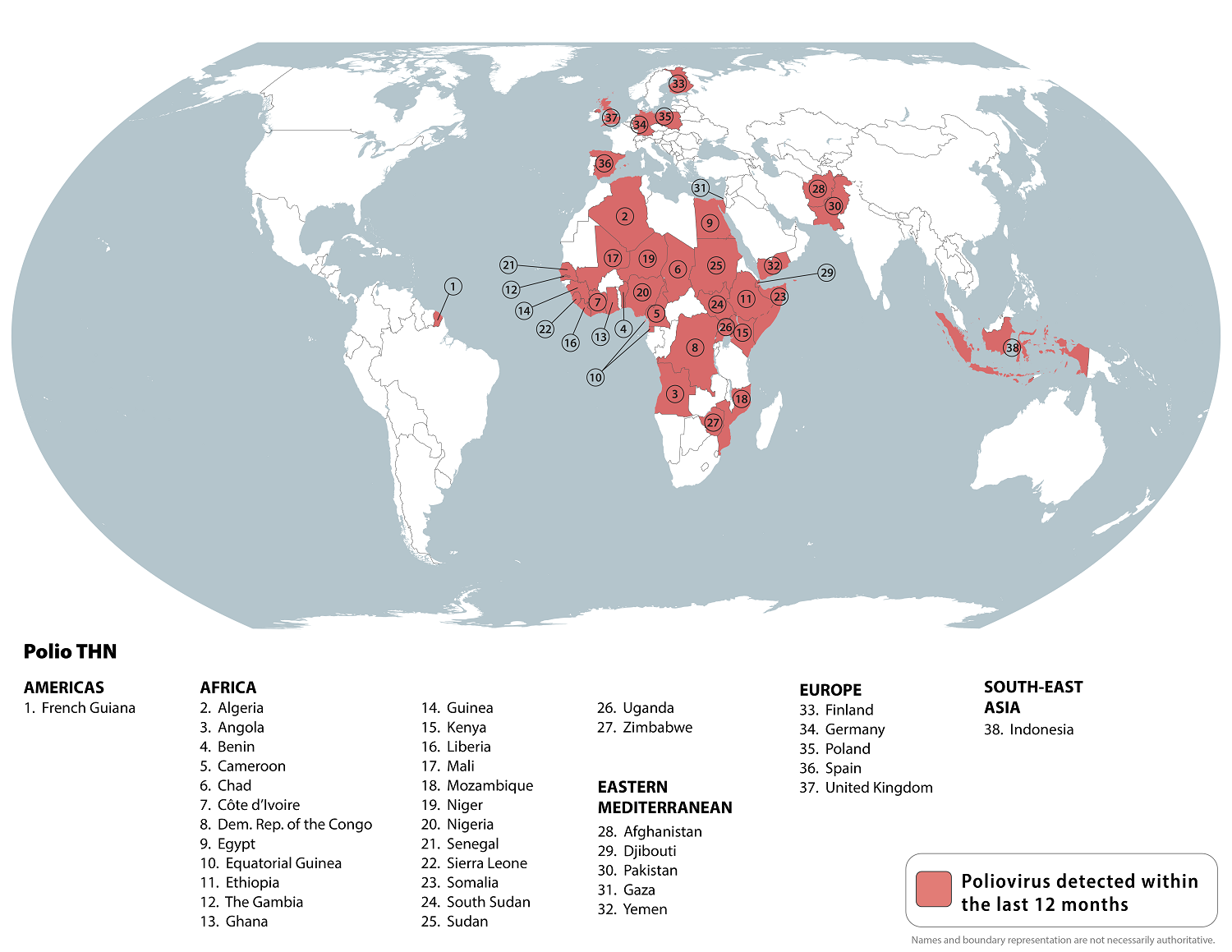
CDC recently posted a level 2 travel alert (“practice enhanced precautions”) for global risk of polio. Countries that detected poliovirus in humans or environmental samples in the past 13 months now include Laos and Namibia.
Before any international travel, people should be up to date on routine polio immunization. Before travel to any destination listed in the polio travel notice, adults who previously completed the full, routine polio vaccine series may receive a single, lifetime booster dose of polio vaccine.
Find additional information on other vaccines and precautions for travelers on CDC's Travelers' Health web page.
Related Links
- CDC: Travelers' Health: Global Polio web page
- CDC: Polio Vaccination for International Travelers web page
- Immunize.org: Travel Vaccines web page
- VaccineInformation.org: Travel Vaccine Basics web page
To learn simple tips and tricks for using our websites efficiently, please register for our next set of Website Office Hours on Wednesday, April 8, at 4:00 p.m. (ET) or Thursday, April 9, at 12:00 p.m. (ET). The same content will be covered in both sessions.
We will open each 30-minute session with a short, live demonstration on navigating our About Us, Publication Archives, and Vaccine Timeline website sections. You can submit questions when you register or live on Zoom during the session.

Register today for Immunize.org Website Office Hours (content is the same for both):
The archive of previous Website Office Hours content is posted at Immunize.org’s "Webinars & Videos" page.
Mark your calendar for future Immunize.org Website Office Hours.
For more upcoming events, visit our Calendar of Events.
About IZ Express
IZ Express is supported in part by Grant No. NH23IP922654 from CDC’s National Center for Immunization and Respiratory Diseases. Its contents are solely the responsibility of Immunize.org and do not necessarily represent the official views of CDC.
IZ Express Disclaimer
ISSN 2771-8085
Editorial Information
-
Editor-in-ChiefKelly L. Moore, MD, MPH
-
Managing EditorJohn D. Grabenstein, RPh, PhD
-
Associate EditorSharon G. Humiston, MD, MPH
-
Writer/Publication CoordinatorTaryn Chapman, MS
Courtnay Londo, MA -
Style and Copy EditorMarian Deegan, JD
-
Web Edition ManagersArkady Shakhnovich
Jermaine Royes -
Technical ReviewerKayla Ohlde